

You’ve heard of the "stress hormone." But have you ever wondered what cortisol is really doing to your erections, your desire, and your sense of sexual confidence?
Cortisol gets a bad reputation, but it’s not inherently harmful. In fact, your body needs it. Cortisol helps regulate your energy, blood sugar, inflammation, and sleep-wake cycles. It spikes when you wake up and rises in moments of focus or challenge. That’s healthy.
But when cortisol stays elevated, when your body never gets the signal that it’s safe to relax, that’s when problems begin. Because high cortisol doesn’t just make you feel stressed. It makes your body shut down systems that aren’t essential for survival. And guess what your body deprioritizes first?
Sex.
And not just the obvious kind, like a bad day at work or a looming deadline. We are talking about the chronic, low-level stress most men live with daily, the pressure to perform, the unspoken fears or the emotional suppression. All of this creates tension in your nervous system and confusion in your body’s arousal signals.
If you’ve ever felt your erection shut down even when you were mentally “into it,” you've just received very helpful feedback. Your body may have been telling you: I need you to relax.
In this article, we’ll explore how cortisol affects your erections, testosterone, arousal, and sexual performance. And more importantly, we’ll give you practical tools to reset the balance, so your nervous system can work with you, not against you.
Why Chronic Stress Is a Bedroom Killer
Cortisol is produced by your adrenal glands in response to any kind of threat, physical, emotional, or psychological. That includes everything from financial pressure and emotional conflict to overtraining and lack of sleep.
Some signs of chronic stress include:
- Muscle tightness or pain
- Restless or poor-quality sleep
- Digestive issues (bloating, constipation)
- Irritability, mood swings, or anxiety
- Decreased libido and erection difficulty
When your brain perceives a threat, your body shifts into sympathetic dominance–fight, flight, or freeze mode. Blood moves away from your core and toward your limbs. Muscles tense. Breathing becomes shallow. Digestion slows. Testosterone production stalls. And arousal becomes almost impossible.
This is your body protecting you. Survival over reproduction.
Short-term, this response is adaptive. Long-term? It’s disruptive. Especially to your erections.
If the stress doesn’t resolve (and modern life rarely lets it), your body remains in this high-stakes state. Over time, elevated cortisol weakens immune function, impairs digestion, disrupts sleep, and suppresses testosterone. It also interferes with nitric oxide, the molecule responsible for helping the blood vessels in your penis relax and fill with blood.
So while you might be craving sex or intimacy, your body is stuck in survival mode, and your erection pays the price.
Everyday Habits That Quietly Lower Libido
Not all stress is obvious. Common day-to-day patterns can keep cortisol elevated and make arousal harder, even when desire is there.
- Long work hours and constant urgency: Staying "on" all day makes it difficult for your nervous system to downshift into the relaxed state needed for arousal.
- Poor sleep and irregular schedules: Inconsistent bed and wake times disrupt hormones that influence libido and morning erections.
- Alcohol overuse: Drinking to unwind may blunt arousal signals and disrupt sleep quality, compounding stress the next day.
- Constant digital stimulation: News, notifications, and multitasking can dull sensitivity to natural erotic cues. Limit screens before bed and intimacy to help your brain refocus.
- Unresolved relationship tension and self-pressure: Emotional strain and performance anxiety keep your system in vigilance. Building safety and confidence can help restore desire. For more on the confidence piece, see how self-esteem affects libido.
Small tweaks here add up. Lowering everyday stressors helps your body switch back into connection, curiosity, and turn-on.
High Cortisol Disrupts Blood Flow and Erection Quality
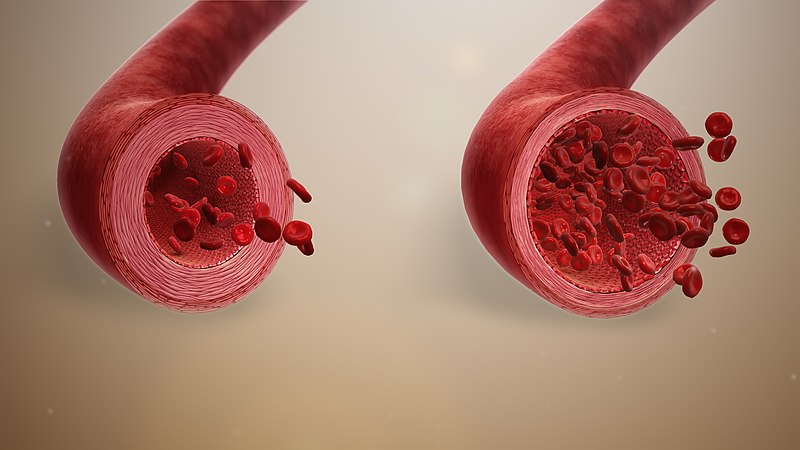
Erections depend on relaxed, dilated blood vessels, a process that’s completely at odds with stress physiology. Cortisol causes your blood vessels to constrict, your blood pressure to rise, and your nitric oxide levels to drop.
The result?
- Weaker erections
- Inconsistent arousal
- Loss of morning wood
- Longer recovery time after orgasm
- Decreased sensation
Even if you’re mentally turned on, your body may not be able to respond because stress is holding the brakes.
How Erections Work and Where Stress Disrupts Them
Erections are the result of a finely tuned system involving your brain, nervous system, blood vessels, hormones, and emotions. Here’s the basic flow:
- Your brain receives sexual signals (visual, physical, mental)
- Nitric oxide is released to relax smooth muscles in the penis (a nitric oxide booster like Ultramax Flow can help increase nitric oxide levels)
- Blood vessels open and blood fills the chambers
- Testosterone amplifies responsiveness
A calm nervous system allows this process to unfold. Now imagine stress is present:
- Your brain misfires. Worry, pressure, or performance anxiety hijacks your mental bandwidth. Even mild doubt or distraction can short-circuit the arousal response before it even gets started.
- Blood flow gets redirected. Stress causes vasoconstriction (narrowing of blood vessels), which limits how much blood can reach your penis. You may start to get hard, but struggle to stay there.
- Hormones go out of balance. Elevated cortisol suppresses testosterone production, which decreases your desire and makes it harder to maintain erection quality. Even when you’re “in the mood,” your body might not cooperate.
- Sleep breaks down. Sleep is when your testosterone replenishes and your dopamine resets. Poor sleep (often linked to stress) can drastically impact both libido and erection quality.
This entire cascade can become a vicious cycle: you feel stress → your erection falters → you feel more stress → the cycle repeats. But the good news is, cycles can be interrupted and reversed.
What Your Erections Say About Your Heart
Your erection strength isn’t just about arousal, it’s a direct reflection of your vascular health. Because the arteries in the penis are smaller than those in the heart, blood flow issues often show up there first.
This is why ED is now recognized as an early warning sign of cardiovascular disease. One major study found that men with ED are 65% more likely to develop heart disease.
Conditions like diabetes, hypertension, and high cholesterol damage the lining of blood vessels (the endothelium), making it harder for them to dilate properly. This affects blood flow not only to your heart but also to your penis.
So if your erections have changed, your body may be whispering a message: Check under the hood.
Getting evaluated isn’t just about improving your sex life, it’s about protecting your long-term health.
High Cortisol Wrecks Testosterone (and Libido)
Cortisol and testosterone have an inverse relationship. The higher your cortisol, the lower your testosterone.
That means chronic stress doesn’t just dull your erections, it dulls your desire. You might feel disconnected from your partner, less motivated to initiate, or unable to access the playful, turned-on energy you once had.
High cortisol also disrupts sleep and since testosterone is produced during deep sleep, the cycle continues: more stress, less sleep, lower testosterone, worse performance.
Cortisol Lives in Your Tissues, Not Just Your Thoughts
Stress isn’t just a mental concept. It lives in your body. In your fascia. In your breath. In the microcontractions you carry in your jaw, shoulders, chest, and yes, your pelvic floor.
Even if you’re not actively worrying, your body might still be bracing. And that bracing prevents full expansion, blood flow, and relaxation.
This is why you can’t "think" your way out of erection issues. You have to retrain your body to feel safe again.
How to Lower Cortisol and Restore Sexual Function
You don’t need to eliminate stress entirely. You need to build a nervous system that knows how to come back to calm and stay there often enough for your body to prioritize arousal, blood flow, and hormone balance. Below are daily tools that lower cortisol and explain why they work.
Here’s how:
1. Prioritize Deep Sleep
Sleep is your body’s most powerful stress reset button. During deep sleep, your cortisol levels naturally decline, testosterone is replenished, and your nervous system rebalances.
- Aim for 7–9 hours per night: This allows your body to complete full sleep cycles and access REM and deep sleep stages, where hormonal regulation and tissue repair happen.
- Create a screen-free wind-down routine: Blue light from phones and TVs suppresses melatonin, your sleep hormone. Turning off screens an hour before bed signals your brain to start winding down.
- Sleep in a dark, cool room: Darkness supports melatonin production. A cooler temperature (around 65–67°F) helps your core body temperature drop, a key trigger for falling asleep.
- Support melatonin with morning sunlight exposure: Getting sunlight within 30–60 minutes of waking sets your circadian rhythm for the day. It tells your body when to be alert and when to sleep later.
Over time, consistent quality sleep lowers baseline cortisol and gives your arousal system space to recover and thrive.
2. Move Your Body, But Don’t Overtrain
Physical movement helps metabolize cortisol. When your body moves, especially in low to moderate intensity, it processes stress hormones and signals your brain that the threat has passed.
- Regular movement burns off excess cortisol: Daily activity helps reset your stress system by discharging tension and increasing endorphins, natural mood elevators that counterbalance cortisol.
- Focus on moderate-intensity cardio (walking, cycling, swimming): These forms of cardio don’t spike stress hormones the way high-intensity intervals can. They support cardiovascular health while calming your nervous system.
- Strength train 2–3x/week, but avoid burnout: Resistance training boosts testosterone, which offsets cortisol. But overtraining without recovery leads to more stress. Keep sessions under an hour and allow muscles time to rebuild.
- Take at least one full rest day per week: Rest isn’t weakness, it’s where your gains happen. A day off lets your nervous system recalibrate and reduces inflammation, supporting erection quality and arousal.
Balanced movement teaches your body resilience. You become better at returning to calm after challenge, which is key to healthy sexual function.
3. Breathe and Downregulate Daily
Your breath is the fastest way to shift your nervous system. Long, slow exhalations activate the parasympathetic branch, the "rest and digest" mode your body needs for sexual arousal.
- Practice slow, nasal breathing (inhale 4, exhale 6): This pattern stimulates your vagus nerve, lowers heart rate, and sends a signal of safety to your brain. It calms your mind and improves blood flow to the pelvis.
- Try vagus nerve toning: humming, cold exposure, or singing: These practices increase vagal tone, making your body better at moving from stress to calm. They also enhance your body’s capacity to feel pleasure.
- Do 5 minutes of breathwork before bed or intimacy: Breath regulates arousal. Use it to slow down, tune in, and release pressure. It creates an internal environment where erections can happen more naturally.
Just a few minutes per day of intentional breathing can dramatically lower cortisol and restore the connection between your mind and arousal.
4. Use Heat and Hydrotherapy
Heat is a natural nervous system soother. It encourages vasodilation (blood vessel expansion), muscle release, and emotional softening, all of which support arousal.
- Warmth lowers cortisol by activating the parasympathetic system: Just 10–20 minutes in warm water can drop cortisol levels, reduce anxiety, and signal your body that it’s time to unwind.
- A warm bath helps release tension from fascia and muscles: Chronic tension traps stress in the body. Bathing helps uncoil that tension, especially around the hips, pelvis, and lower back, key areas for sexual function.
- Add Epsom salts to replenish magnesium: Magnesium calms the nervous system, supports sleep, and reduces inflammation. Many people are deficient without knowing it.
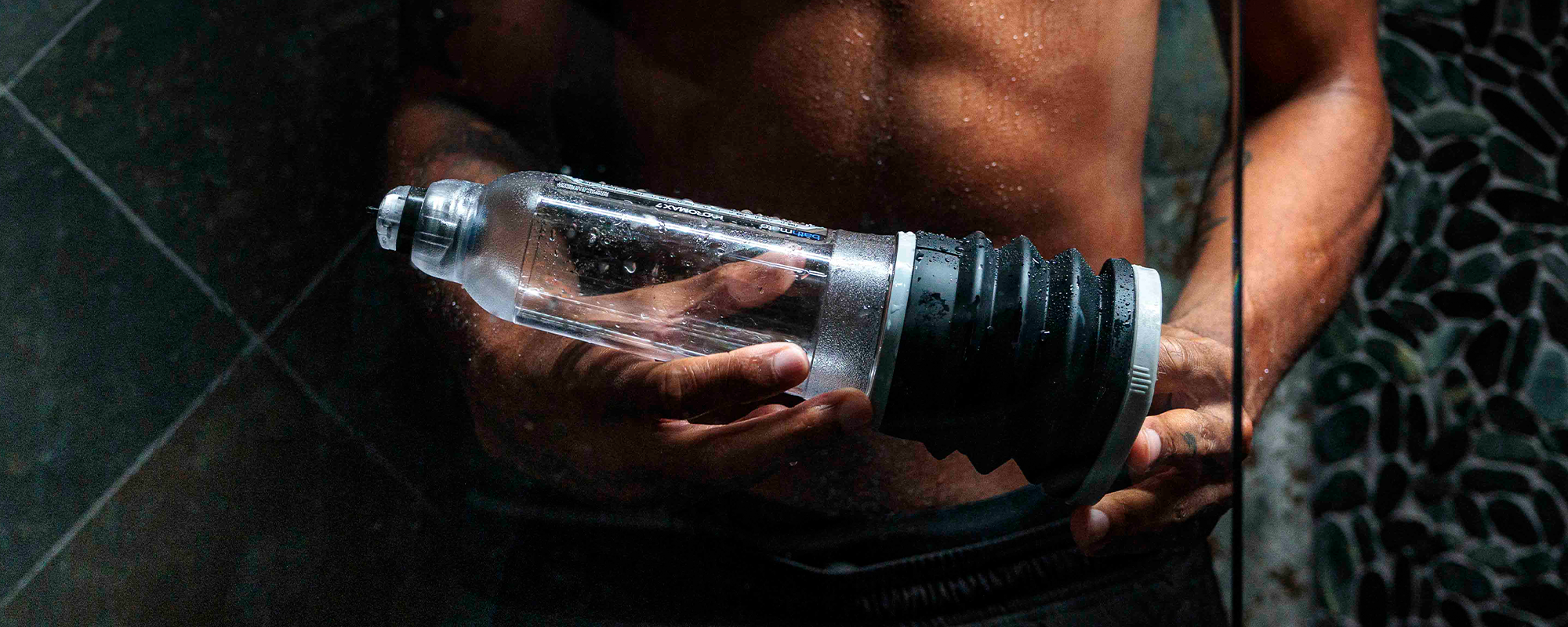
- Use the Bathmate hydropump during a warm bath for passive blood flow, relaxation, and recovery without pressure: When used in a relaxed state, the hydropump supports erectile tissue health by drawing oxygen-rich blood into the penis, encouraging elasticity, expansion, and confidence without stimulation.
This isn’t just self-care. It’s sexual training for your nervous system.
5. Shift Your Mindset Around Arousal
Your thoughts create your chemistry. When you treat sex like a test, you trigger cortisol. But when you approach intimacy with openness, curiosity, and connection, you create the chemistry for arousal.
- Stop treating sex like a test: Performance pressure keeps your nervous system in fight-or-flight. It turns sex into a threat, not a joy. Let go of the idea that you have to “prove” anything.
- Focus on connection, curiosity, and play: These mindsets lower cortisol, increase oxytocin (the bonding hormone), and restore the sense of exploration that makes sex feel alive.
- Let go of the goal and tune into sensation: Presence beats performance. Shift your attention from outcome to experience. This grounds you in your body and supports spontaneous arousal.
- Talk to your partner about pressure and expectations: Honest communication builds trust, which lowers stress. When you share your needs, worries, or preferences, you invite safety into the bedroom.
The way you think about sex is just as important as what you do. Mindset isn’t just mental, it’s chemical. And when you shift the story, your body responds differently.
6. Heal the Emotional Layer
- Cognitive Behavioral Therapy (CBT): Proven to reduce anxiety and performance pressure. CBT can help reframe unhelpful thoughts and build sexual confidence.
- Sex therapy & sensate focus: These approaches emphasize connection and pleasure over performance. They’re especially effective when practiced with a partner.
- Trauma-informed work: If your body learned that sex isn’t safe or that desire equals danger, working with a specialist can open the door to real healing.
- Invite your partner in: Many men carry stress alone. Sharing your experience with your partner can reduce shame and create a sense of shared safety.
7. Strengthen Intimacy & Redefine Pleasure
- Talk about it. Silence breeds shame. Honest, open conversations (especially when guided) can relieve pressure and build emotional connection.
- Try new ways to connect. Take intercourse off the table temporarily. Explore mutual touch, massage, or guided intimacy exercises. Pressure-free arousal often returns more easily.
- Repair emotional ruptures. If unresolved conflict is present, couples therapy can help. Relational tension often shows up in the bedroom long before it shows up elsewhere.
8. Use Medical and Mechanical Support Wisely
- Get assessed. Bloodwork, heart health, hormone levels—checking these is proactive, not shameful.
- Bathmate: If you’re looking for a safe, drug-free way to improve erection quality, consider using a Bathmate pump. It helps increase blood flow and builds responsiveness over time. Devices like these can be incredibly helpful, not just physically, but emotionally, by showing you that your body can respond.
You’re Not Powerless
Stress may be an invisible saboteur, but it’s not undefeatable. When you understand how it works (and how your body responds)you unlock real power. You stop blaming yourself. You start working with your body instead of fighting it.
Remember: your erection isn’t separate from your mind, heart, or nervous system. It’s a reflection of your full-body state. That means improving it requires full-body care.
By regulating stress, healing emotional wounds, opening up communication, and using supportive tools like a penis pump, you can rebuild your erection strength in a way that’s natural, lasting, and empowering.
Your body is capable of more than you’ve been taught to believe. Trust it. Listen to it. Support it.
Frequently Asked Questions: Stress, Cortisol, and Sexual Health
Can short-term stress affect libido, or is it only long-term stress?
Even short-term stress can temporarily reduce desire or make arousal harder in the moment. The bigger issue is chronic, low-level stress that keeps cortisol elevated and disrupts hormones, sleep, and blood flow over time.
Does stress affect libido differently depending on age?
Stress can impact libido at any age. Younger men may notice more performance anxiety and distraction, while older men may feel more of the hormonal and vascular effects. Either way, reducing baseline stress helps.
How does stress relate to morning erections?
Stress often disrupts sleep and can lower testosterone, both of which may reduce the frequency of morning erections. Improving sleep quality and lowering evening stress can help restore them.
When should I seek professional help?
If changes in libido or erection quality persist for several months, worsen, or affect your relationships or confidence, consider speaking with a healthcare professional for a thorough evaluation.
Want Fuller Erections? Start with Less Stress
If your body is stuck in stress mode, it can’t prioritize arousal. Erections, desire, and confidence all suffer when cortisol stays high.
But this isn’t permanent. You can turn it around.
Better sleep, smarter movement, slower breathing, these are tools that reset your system. They tell your body it’s safe again. And when your body feels safe, it starts to respond with better blood flow, more sensitivity, and natural desire.
You don’t need to force your way back to better sex. You just need to create the conditions where it can return on its own. Lower your stress. Build calm into your day. Let your body catch up. This is how you rebuild arousal that lasts.


Hakima Tantrika
Learn MoreHakima Tantrika is a sex educator, intimacy coach, and copywriter who contributes regularly to Bathmate’s blog. Trained in classical Tantra, she helps individuals cultivate deeper self-awareness, authentic connection, and embodied confidence. On Substack, she leads an engaged community where she shares insights on sexuality, relationships, and personal growth, blending education with honest storytelling. Through her clear, thoughtful approach and distinctive voice, Hakima brings depth and integrity to modern conversations about intimacy, pleasure, and self-understanding.
Share:
Le lien intestin–sexualité : pourquoi votre microbiome compte
Se mettre nu en confiance : conseils pour une image corporelle positive