


La plupart des hommes pensent qu’il n’existe qu’un seul type d’orgasme.
Ce n’est pas le cas.
Il y a l’orgasme principalement déclenché par la stimulation du pénis…
Et l’orgasme qui implique une activation plus profonde de la prostate — souvent décrit comme plus ample, plus intense et plus immersif.
Mais voici ce que beaucoup d’hommes ignorent :
Même un orgasme « classique » fait appel à la prostate.
Vous n’avez pas besoin de la stimuler directement pour qu’elle joue un rôle central dans les performances sexuelles, même si cela peut aider😉.
Pour comprendre la différence — et pourquoi la santé de la prostate compte — il faut d’abord comprendre la mécanique.
Qu’est-ce qu’un orgasme pénien ?
L’orgasme pénien est celui que la plupart des hommes connaissent.
Il est principalement déclenché par la stimulation du pénis — en particulier du gland et de la hampe — riches en terminaisons nerveuses sensitives.
Sur le plan physiologique, voici ce qui se passe :
- La stimulation sensorielle active des voies nerveuses dans la moelle épinière
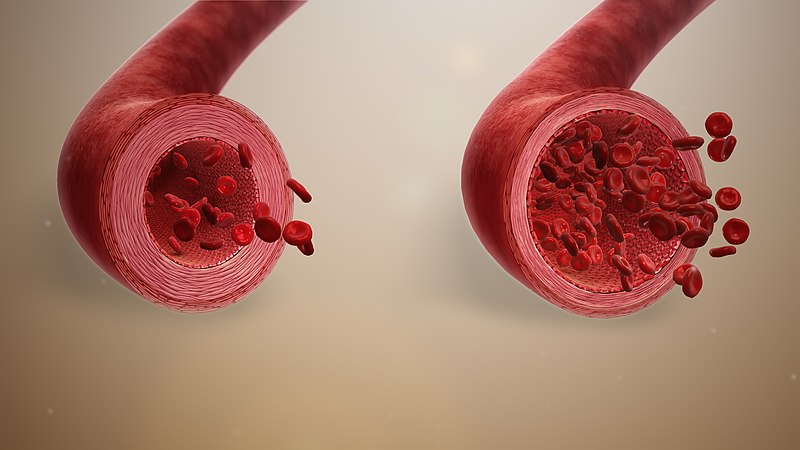
- Le flux sanguin augmente dans les tissus érectiles
- Les muscles du plancher pelvien se contractent de façon rythmée
- Le sperme est expulsé grâce à des contractions musculaires coordonnées
L’intensité d’un orgasme pénien est influencée par :
- La qualité du flux sanguin
- La sensibilité nerveuse
- La coordination du plancher pelvien
- La signalisation hormonale
Il est largement lié à la stimulation de surface et à la réponse vasculaire.
Mais voici l’essentiel :
Le pénis ne suffit pas à lui seul pour produire l’éjaculation.
L’éjaculation est un événement pelvien coordonné — et la prostate y joue un rôle clé.
Qu’est-ce qu’un orgasme prostatique ?
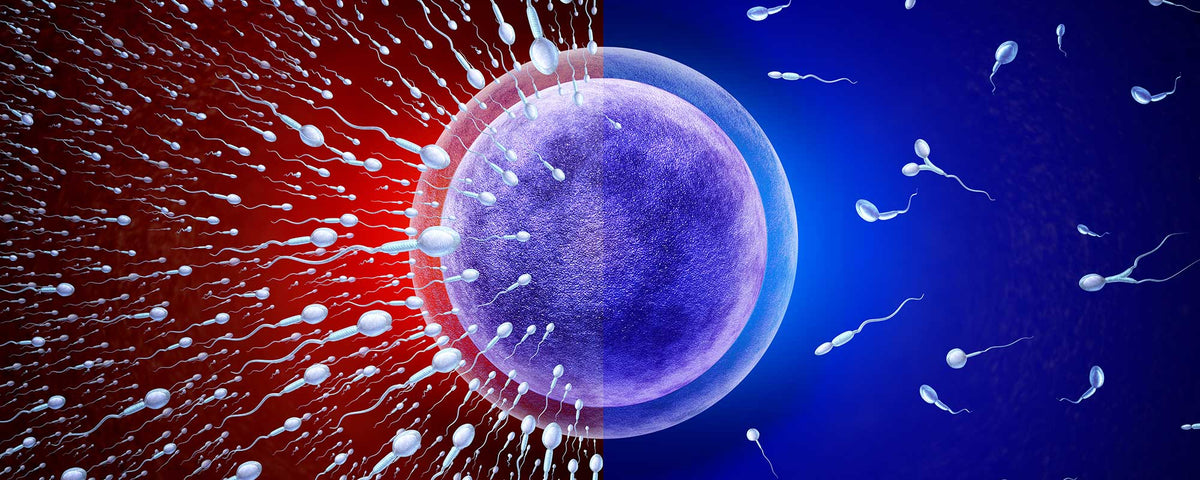
La prostate est une glande de la taille d’une noix, située juste sous la vessie. Elle entoure une partie de l’urètre — le tube qui évacue l’urine et le sperme hors du corps.
Elle a deux fonctions sexuelles principales :
-
Elle produit environ 20 à 30 % du liquide séminal
-
Elle se contracte de manière rythmique pendant l’orgasme pour aider à propulser le sperme
Lorsqu’elle est stimulée directement (en interne), certains hommes rapportent :
- Des contractions plus fortes
- Une force éjaculatoire accrue
- Une sensation plus profonde, plus globale
- Un climax plus long
On parle alors souvent d’« orgasme prostatique ».
Mais il y a une nuance :
Même lors d’un orgasme pénien classique, la prostate est active.
Elle contribue au liquide.
Elle se contracte.
Elle participe à la force.
Qu’elle soit stimulée directement ou non, elle fait partie du moteur.
Ce qui signifie que sa santé influe directement sur les performances.
Le rôle de la prostate dans la fonction sexuelle
La plupart des hommes ne pensent à la prostate qu’en lien avec l’âge ou des problèmes urinaires.
C’est incomplet.
La prostate joue un rôle central dans :
1. Production du liquide séminal
Le liquide séminal n’est pas qu’un véhicule pour les spermatozoïdes. Il soutient leur mobilité, leur nutrition et leur transport.
Une prostate en bon état contribue à :
- Le volume éjaculatoire
- La consistance du liquide
- Une propulsion appropriée
Des changements au niveau de la prostate peuvent influer subtilement sur le volume et la force — avant même l’apparition de symptômes évidents.
2. Force éjaculatoire
Pendant l’orgasme, la prostate se contracte en coordination avec le plancher pelvien et les vésicules séminales.
Si la glande est inflammée, hypertrophiée ou sous pression, ces contractions peuvent paraître :
- Plus faibles
- Moins puissantes
- Moins satisfaisantes
Beaucoup d’hommes décrivent cela comme une baisse d’« intensité » au fil du temps.
Ils l’attribuent souvent à l’âge.
Mais la mécanique pelvienne compte.
3. Pression et flux pelviens
Comme la prostate entoure l’urètre, sa taille et son état influencent les mécanismes de flux.
Si la glande devient irritée ou augmentée de volume :
- Le jet urinaire peut s’affaiblir
- Les mictions nocturnes peuvent augmenter
- La tension pelvienne peut s’accroître
Cette tension n’affecte pas que la miction.
La région pelvienne fonctionne comme un système intégré :
Vessie
Prostate
Plancher pelvien
Vascularisation pénienne
La pression dans une zone influence l’ensemble.
L’érection dépend de la pression. L’orgasme dépend des contractions.
L’intégrité du système compte.
4. Sensibilité hormonale
La prostate est très réactive à la DHT (dihydrotestostérone), un métabolite de la testostérone.
La DHT joue un rôle important dans la physiologie masculine, notamment la libido et la signalisation androgénique.
Mais une activité de la DHT excessive ou déséquilibrée peut contribuer, avec le temps, à l’augmentation du volume prostatique.
L’objectif n’est pas la suppression.
C’est l’équilibre.
Une signalisation androgénique saine soutient à la fois la fonction prostatique et les performances sexuelles — mais elle doit être correctement régulée.
Pourquoi les changements prostatiques surviennent progressivement
Contrairement à une blessure ou à une maladie soudaine, les changements de la prostate se produisent lentement.
Avec le temps, la glande peut accumuler :
- Des pressions hormonales
- Une inflammation de bas grade
- Un stress oxydatif
Ces facteurs ne provoquent pas des symptômes marqués du jour au lendemain.
Les hommes peuvent plutôt remarquer des changements subtils :
- Un jet urinaire légèrement plus faible
- Des mictions nocturnes plus fréquentes
- Une force éjaculatoire diminuée
- Un orgasme moins intense
Cela survient assez progressivement pour sembler « normal ».
Mais ce n’est pas aléatoire.
C’est lié à l’environnement.
Et l’environnement peut être soutenu.
Pourquoi un soutien proactif de la prostate est important
La plupart des hommes réagissent après coup.
Ils s’occupent des problèmes après qu’ils perturbent le quotidien.
Mais la longévité des performances repose sur l’entretien.
Tout comme vous entraînez la circulation pour soutenir l’érection…
Tout comme vous soutenez la testostérone pour maintenir la motivation…
La prostate demande elle aussi une prise en charge proactive.
Soutenir la santé de la prostate peut aider à :
- Maintenir la force éjaculatoire
- Préserver le contrôle urinaire
- Réduire la pression pelvienne
- Soutenir la résilience sexuelle à long terme
Il ne s’agit pas d’alimenter la peur.
Il s’agit de connaître son système.
La performance sexuelle ne dépend pas d’un seul organe.
C’est la coordination entre :
- Le flux sanguin
- Les hormones
- Les nerfs
- Les muscles
- Les glandes
La prostate se trouve au centre de cette coordination.
Comment soutenir la santé de la prostate
Soutenir la prostate n’est pas compliqué — mais cela demande de l’intention.
Comme la plupart des systèmes liés aux performances dans le corps, la prostate répond à la régularité.
Vous pouvez agir principalement sur quatre leviers :
Soutenir l’équilibre hormonal
La prostate est très sensible à la DHT, un métabolite de la testostérone qui joue un rôle dans la physiologie masculine et la signalisation sexuelle.
Une activité de la DHT équilibrée soutient le fonctionnement normal du tissu prostatique.
Une activité de la DHT excessive ou dysrégulée peut, avec le temps, contribuer à l’augmentation de volume et à la pression.
Des nutriments et extraits botaniques ciblés tels que :
- Palmier nain (Saw Palmetto)
- Stérols végétaux
- Zinc
- Ortie piquante
sont couramment utilisés pour soutenir une signalisation androgénique saine — sans supprimer la testostérone.
C’est le principe des compléments comme Ultramax Prostate Support, formulés pour favoriser l’équilibre de la DHT, le contrôle de l’inflammation et l’intégrité de la glande à long terme.
L’objectif n’est pas la suppression.
C’est la régulation.
2. Réduire l’inflammation & le stress oxydatif
La prostate est un tissu métaboliquement actif.
Avec le temps, une inflammation de bas grade et le stress oxydatif peuvent influencer le fonctionnement de la glande.
Des antioxydants et composés anti-inflammatoires tels que :
- Sélénium
- Vitamine E
- Lycopène (extrait de tomate)
- Thé vert
- Quercétine
aident à soutenir la résilience cellulaire et l’intégrité des tissus.
C’est là que la supplémentation quotidienne peut jouer un rôle concret — en maintenant l’environnement interne avant l’apparition de symptômes.
3. Maintenir la circulation & le flux pelviens
La prostate se situe au centre de la région pelvienne — un environnement commun qui inclut :
- La vessie
- Les muscles du plancher pelvien
- La vascularisation pénienne
Une circulation saine et une bonne dynamique des fluides sont essentielles.
Soutenir le flux sanguin global (par le mouvement, la santé cardiovasculaire et des aides à la circulation) aide à maintenir la réactivité de l’ensemble du système pelvien.
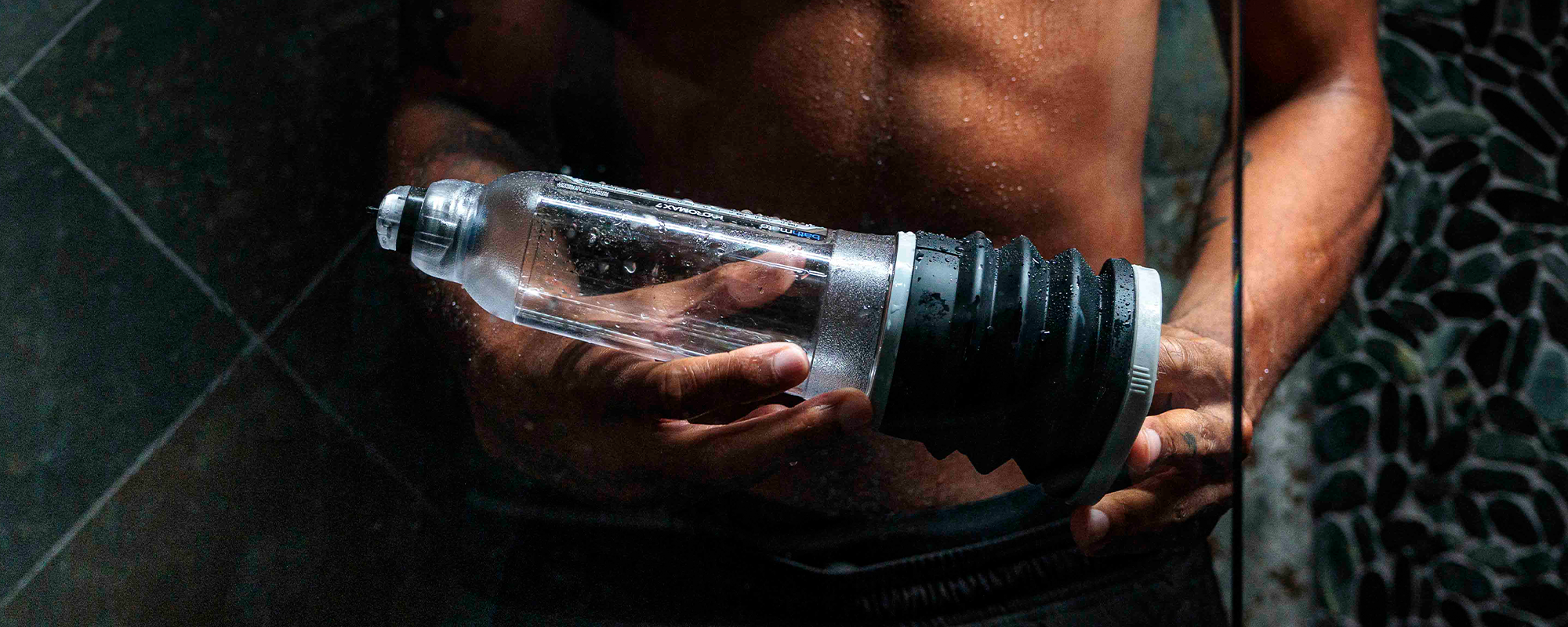
L’entraînement hydraulique soutient la circulation sanguine.
Le soutien de la prostate entretient la glande qui agit au sein de ce système.
4. Stimulation & drainage prostatiques directs
En plus d’un soutien nutritionnel interne, certains hommes choisissent d’intégrer une stimulation directe de la prostate.
La prostate contient des canaux qui libèrent du liquide lors de l’éjaculation. Une stimulation douce et intentionnelle peut favoriser la circulation et l’activation glandulaire.
Le massage prostatique a historiquement été exploré pour :
- Favoriser la libération de liquide
- Encourager la circulation au sein de la glande
- Renforcer l’intensité de l’orgasme
- Accroître la conscience pelvienne
Des dispositifs tels que le Bathmate Prostate Pro sont conçus pour offrir une stimulation contrôlée et ergonomique, en privilégiant le confort et l’alignement anatomique.
Pour les hommes qui souhaitent explorer une réponse orgasmique plus profonde — ou simplement entretenir la conscience et l’activation de la glande — cela peut constituer une approche complémentaire.
Comme pour toute pratique, la régularité et la bonne technique comptent.
La vision d’ensemble
La plupart des hommes se concentrent uniquement sur l’érection.
C’est compréhensible — l’érection est visible.
La prostate, non.
Mais elle intervient dans :
- La production de liquide
- La propulsion éjaculatoire
- La régulation des pressions pelviennes
- La sensibilité hormonale
Si vous tenez à :
- L’intensité de l’orgasme
- La force éjaculatoire
- La fonction sexuelle à long terme
- Le contrôle urinaire
Vous avez tout intérêt à comprendre la glande qui se trouve derrière tout cela, et à la soutenir avant qu’elle ne réclame votre attention.
La performance ne se limite pas à ce que vous voyez...
Il s’agit d’entretenir chaque pièce du système qui la rend possible.


Charlie Walsh
Learn MoreCharlie Walsh is a writer at Bathmate, specializing in creating informative, engaging, and relatable content about men’s health, confidence, and wellbeing. Through his writing, Charlie helps readers better understand Bathmate’s products and the science behind them—always with a focus on honesty, empowerment, and real-world results.
Partager:
Les besoins émotionnels des hommes en couple : briser le silence
CBD et sexualité : l’engouement est-il justifié ?