

Et si vos entraînements vous aidaient non seulement à être plus fort, mais aussi à avoir des érections plus fermes ?
Vous savez déjà que l’exercice améliore votre santé, votre confiance et votre humeur. Parlons maintenant de ce qu’il fait pour vos érections. Car la vérité, c’est que la qualité de vos mouvements influence directement la qualité de votre excitation.
L’érection est l’un des indicateurs les plus fiables dont dispose votre corps. Elle reflète la façon dont vos systèmes (cardiovasculaire, hormonal, neurologique) travaillent ensemble. Quand quelque chose se dérègle, vos érections le signalent souvent en premier. C’est un puissant baromètre de votre santé globale et une motivation claire pour s’entraîner avec méthode, pas seulement intensément.
Pourtant, toutes les formes d’exercice n’ont pas le même effet. Vous pouvez faire « tout ce qu’il faut » en salle, transpirer, atteindre votre quota de pas, vous dépasser… mais si vous ne tenez pas compte de vos performances sexuelles, vous passez peut-être à côté d’une vraie opportunité.
D’où la grande question : quel type d’entraînement apporte le plus de bénéfices pour votre vie intime ?
Est-ce le rythme régulier et bon pour le cœur du cardio (course, natation, vélo) qui met votre sang en mouvement ? Ou l’intensité de la musculation, qui stimule les hormones, construit le muscle et renforce le contrôle pelvien ?
Réponse courte : les deux comptent. Mais pas de la même façon.
Comprendre comment le cardio et l’entraînement en résistance influencent la qualité des érections, la libido et l’endurance sexuelle peut vous donner un véritable avantage, à la salle comme dans votre intimité.
Voyons cela en détail. Car quand vous comprenez l’impact du mouvement sur l’excitation, vous pouvez vous entraîner pour soutenir de meilleures érections, un désir plus présent et une confiance plus profonde.
#1 : Le cardio entraîne vos vaisseaux sanguins (et l’érection dépend du flux sanguin)
Les érections sont étroitement liées à la circulation sanguine.
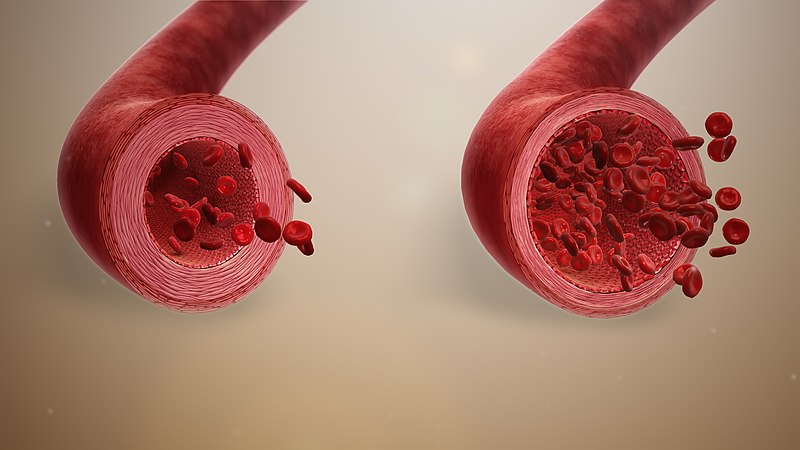
Lorsque vous êtes excité, votre cerveau et votre système nerveux envoient le signal d’ouverture des vaisseaux. Le sang afflue dans les corps caverneux, retenu en place par une série de valves musculaires. Cette pression crée la fermeté.
Mais voici l’essentiel : le sang doit d’abord arriver jusque-là.
C’est là que le cardio excelle.
Même des activités aérobies à faible impact, pratiquées régulièrement, peuvent faire une différence mesurable. Le mouvement régulier maintient des vaisseaux souples, améliore l’apport en oxygène et réduit l’accumulation de dépôts — autant d’éléments clés pour des érections solides. Avec le temps, le cardio crée un terrain favorable à une excitation plus spontanée, sans avoir à en faire trop.
Les activités d’endurance comme la marche rapide, le jogging, le vélo ou la natation renforcent le cœur et entraînent votre système vasculaire à acheminer le sang plus efficacement. Elles soutiennent l’endothélium (la paroi interne des vaisseaux) et favorisent l’oxyde nitrique, la molécule qui signale aux vaisseaux de se détendre et se remplir.
Voyez le cardio comme le système d’acheminement. Sans lui, même un bon taux de testostérone ou un fort désir ne suffisent pas : si le sang n’atteint pas le pénis, les érections deviennent faibles, irrégulières, voire absentes.
Le cardio régulier améliore :
- La circulation générale
- La régulation de la tension artérielle
- La signalisation de l’oxyde nitrique
- La fonction endothéliale
30 minutes de cardio modéré, 3 à 5 fois par semaine, peuvent conduire à des améliorations sensibles de la qualité des érections, de l’endurance et de la réponse à l’excitation. Et ce n’est pas compliqué : une marche quotidienne suffit à faire bouger les lignes.
Les bénéfices supplémentaires du cardio pour la qualité des érections
- Gestion du stress et de l’humeur : l’aérobic libère des endorphines et aide à réduire le stress du quotidien, ce qui peut soutenir l’excitation et la qualité des érections.
- Confiance et image corporelle : se sentir plus en forme se traduit souvent par une confiance sexuelle accrue.
- Soutien hormonal : le mouvement régulier peut aider à maintenir l’équilibre hormonal, associé à un bon sommeil, une nutrition adaptée et une bonne récupération.
Comment bien faire son cardio
- Restez constant : choisissez des activités que vous aurez plaisir à maintenir.
- Le test de la conversation : visez un rythme où vous pouvez parler sans pouvoir chanter, un repère simple d’intensité modérée.
- Variez : alternez marche, vélo, natation ou danse pour rester motivé et éviter les surcharges.
- Écoutez votre corps : si vous débutez ou reprenez, progressez graduellement pour que les courbatures ne cassent pas l’élan.
Mais attention : trop de cardio intense sans repos (notamment l’endurance poussée) peut augmenter le cortisol et faire baisser la testostérone. Le bon équilibre ? Un mouvement régulier et modéré, associé à une vraie récupération.
#2 : La musculation soutient la testostérone et la puissance pelvienne
Le cardio amène le sang. La musculation entretient le moteur.
Les séances de résistance, surtout celles qui sollicitent les grands groupes musculaires (jambes, dos, poitrine), peuvent favoriser une augmentation naturelle de la testostérone. Cette hormone est essentielle au désir, aux érections spontanées et à une excitation confiante.
La testostérone contribue aussi à la masse maigre, à l’énergie, à la stabilité de l’humeur et à la sensibilité aux stimulations sexuelles. En vous entraînant avec des charges, vous ne travaillez pas que le volume : vous soutenez aussi l’équilibre hormonal.
Et ce n’est pas tout : réalisée avec une bonne respiration et une technique soignée, la musculation active votre tronc et votre plancher pelvien. Ces muscles jouent un rôle direct dans la fermeté de l’érection, le contrôle de l’éjaculation et l’intensité des sensations orgasmiques.
Avec le temps, la musculation aide à :
- Maintenir des niveaux de testostérone
- Améliorer la sensibilité à l’insuline
- Réduire la graisse viscérale (qui peut perturber les hormones)
- Augmenter le contrôle musculaire du flux sanguin pelvien
Ce dernier point est crucial. Un plancher pelvien plus fort piège mieux le sang pendant l’érection : à la clé, plus de plénitude et une durée prolongée.
Comme pour le cardio, le dosage compte. Le surentraînement (soulever sans assez de repos) peut mener à l’épuisement, à la fatigue et à des déséquilibres hormonaux. La musculation doit être intense, mais intentionnelle.
#3 : Ce n’est pas l’un ou l’autre – c’est l’art de les combiner
La vraie force ne vient pas d’un choix exclusif, mais de la complémentarité.
Le cardio améliore le flux sanguin.
La musculation optimise les hormones et la réactivité musculaire.
Ensemble, ils créent le terrain optimal pour la qualité des érections, le désir et des performances sexuelles équilibrées.
Vous soutenez ainsi :
- La santé vasculaire
- L’équilibre hormonal
- La régulation du système nerveux
- La coordination musculaire
- La force pelvienne
Cette approche globale reflète le fonctionnement réel du corps. L’érection n’est pas l’affaire d’un seul système : c’est l’expression de votre santé, de votre excitation et de votre capacité de récupération.
#4 : Entraînez-vous comme un amant, pas seulement comme un adepte de la musculation
Si votre objectif est d’avoir de meilleures érections et une confiance plus profonde, votre semaine doit soutenir la circulation, l’équilibre hormonal, la force pelvienne et une vraie récupération.
Commencez par le cardio.
- Visez trois à quatre séances par semaine.
- Chaque séance : 30 à 45 minutes d’effort modéré.
- Marche rapide, natation, vélo ou danse : tout ce qui élève la fréquence cardiaque et maintient le sang en mouvement.
- Si possible, faites votre cardio dehors. La lumière naturelle aide à réguler le rythme circadien et peut soutenir la production de testostérone via l’exposition de vos yeux et de votre peau.
Ensuite, intégrez la musculation.
- Deux à trois fois par semaine.
- Privilégiez les mouvements polyarticulaires qui engagent plusieurs groupes musculaires : squats, soulevés de terre, pompes et tirages. Ces exercices stimulent la testostérone et la coordination globale.
- N’oubliez pas le plancher pelvien. Ajoutez des ponts fessiers, des bird-dogs et des planches pour améliorer contrôle, endurance et sensations.
- Entre les séries, prenez le temps de vous reposer, de vous hydrater et de respirer pleinement : la récupération pendant la séance compte autant que la charge elle-même.
#5 : La progression se fait pendant la récupération
Vous ne construisez pas des érections plus solides pendant l’entraînement, mais dans la récupération qui suit.
Après l’effort, votre système nerveux, vos hormones et vos tissus ont besoin de temps pour se rééquilibrer. C’est là que la testostérone se reconstitue, que les vaisseaux se réparent et que votre système nerveux passe du mode stress au mode sécurité : l’état même dont votre corps a besoin pour une excitation saine et des érections spontanées.
Alors, ne négligez pas la récupération.
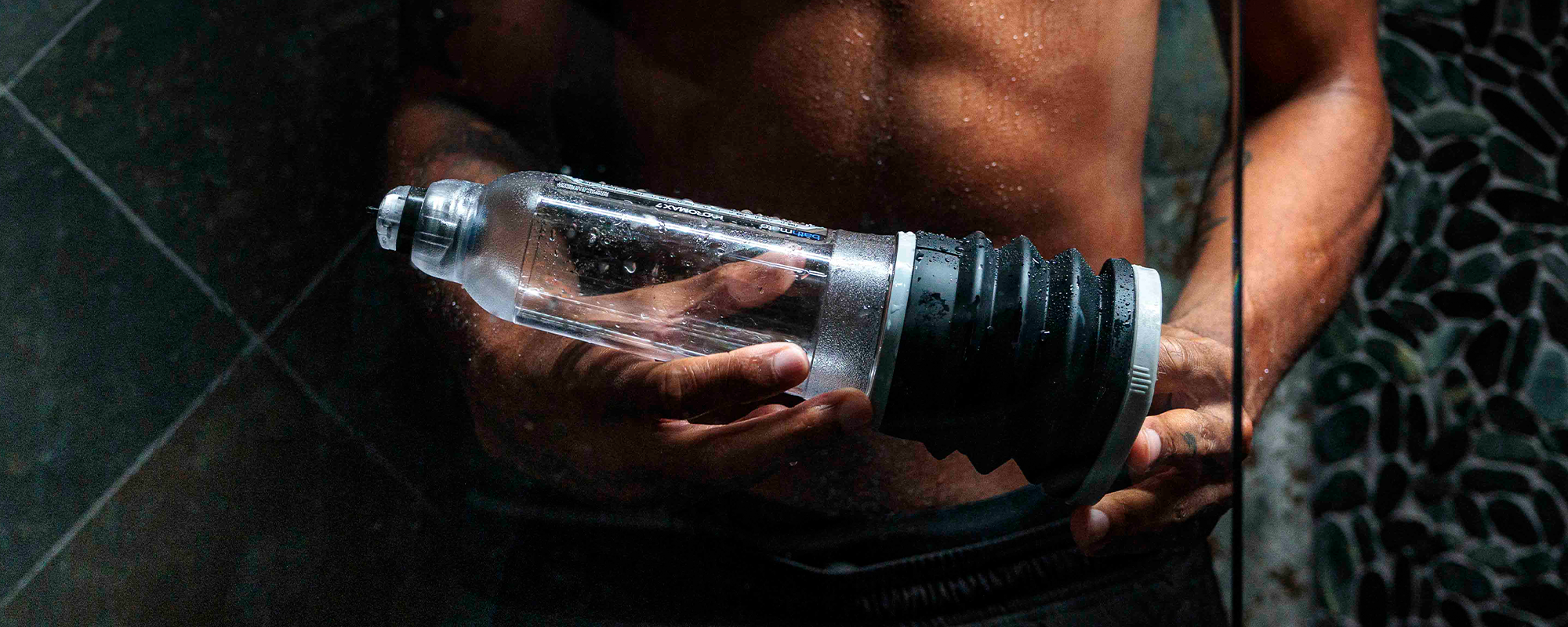
L’une des formes les plus efficaces de récupération active ? Un bain chaud associé à votre hydropompe Bathmate. Pendant que votre corps se détend, l’hydropompe attire un sang riche en oxygène dans le tissu érectile. Elle favorise l’expansion, la sensibilité et la santé tissulaire sur le long terme, sans besoin d’être excité ni de « performer ».
Visez ensuite sept à neuf heures de sommeil de qualité par nuit. Prévoyez une à deux journées de repos complet chaque semaine pour recharger pleinement votre système nerveux et vos muscles. Utilisez des techniques de récupération active comme des étirements légers, des bains chauds ou une respiration profonde pour relancer la circulation et apaiser le système.
C’est un investissement qui paie en circulation, en confiance et en constance.
Entraînez-vous pour ce qui compte
Pour de meilleures érections, commencez par de meilleurs mouvements.
Et si vous ne savez pas par où commencer, commencez petit. Une marche de 10 minutes après les repas. Quelques squats au poids du corps avant de vous coucher. Une courte séance d’haltères pour remettre le sang en mouvement.
Votre corps n’a pas besoin de perfection, mais il a besoin de régularité. Vous montrer pour vous-même, encore et encore, envoie un message clair à votre système nerveux et à vos hormones : « On y va. On construit la force, de l’intérieur comme de l’extérieur. »
Et oui, votre érection écoute. Inutile de tout bouleverser du jour au lendemain. L’essentiel, c’est le rythme : un dialogue constant et respectueux entre vous et votre corps. Quand le mouvement devient une forme de respect de soi, l’excitation suit souvent naturellement. Vos entraînements deviennent plus que physiques : une pratique de présence, de connexion et de vitalité sexuelle durable.


Hakima Tantrika
Learn MoreHakima Tantrika is a sex educator, intimacy coach, and copywriter who contributes regularly to Bathmate’s blog. Trained in classical Tantra, she helps individuals cultivate deeper self-awareness, authentic connection, and embodied confidence. On Substack, she leads an engaged community where she shares insights on sexuality, relationships, and personal growth, blending education with honest storytelling. Through her clear, thoughtful approach and distinctive voice, Hakima brings depth and integrity to modern conversations about intimacy, pleasure, and self-understanding.
Partager:
Le meilleur gel douche pour une fraîcheur avant l’intimité
Avantages et inconvénients des jouets intimes contrôlés par application