

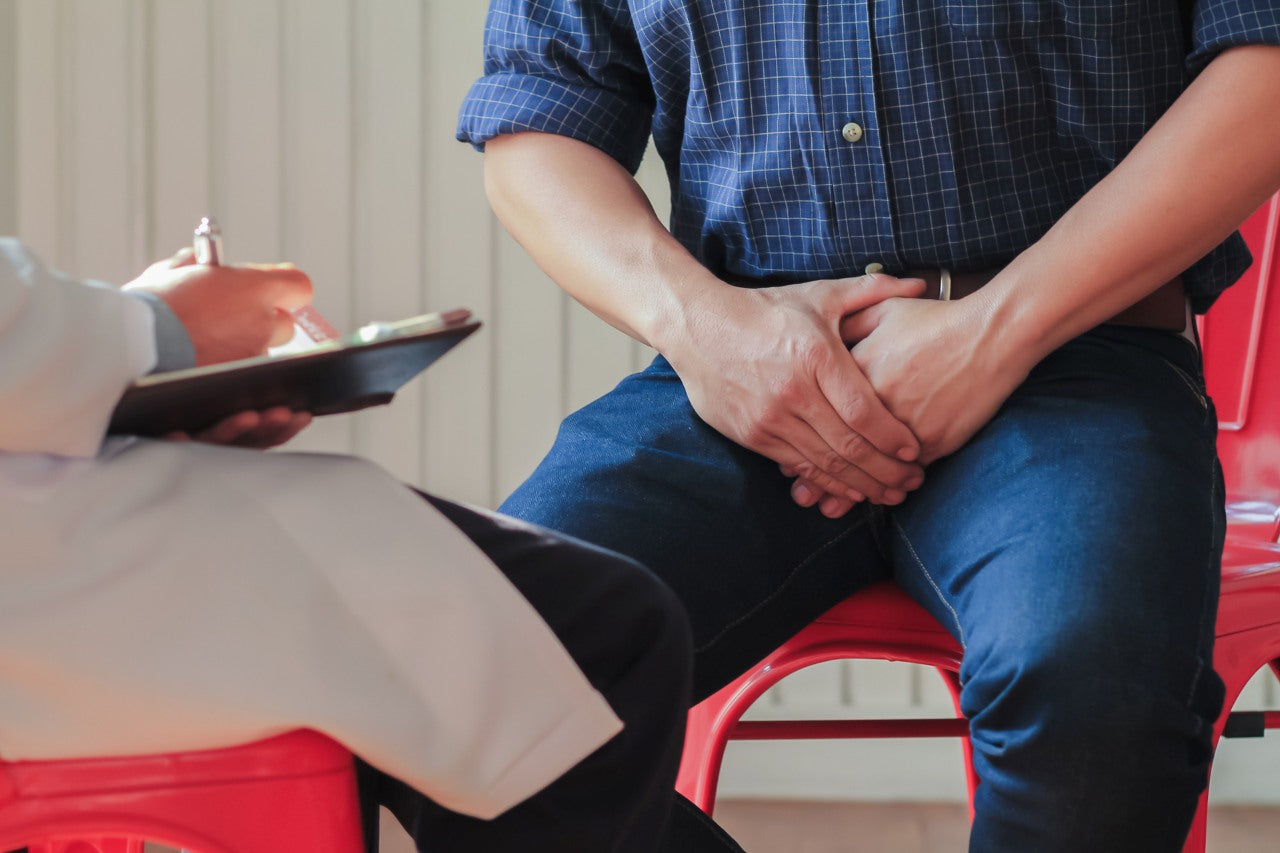
Pelvic pain in men is one of those things that doesn’t get talked about enough—but it should. It’s uncomfortable, can feel pretty random, and let’s be honest… it’s not exactly dinner table conversation. But pain in the pelvic area is your body waving a red flag, and figuring out what’s going on is kind of important. So let’s break it down (no awkward doctor’s office vibes here, promise).
What Is Pelvic Pain in Men?
When we talk about pelvic pain in men, we’re referring to discomfort in the area between your hips, below your belly button. It can be sharp or dull, constant or come and go, and sometimes it feels like it radiates to the lower back, groin, or even down the legs. Basically, if something in that region is sending up warning signals, your body’s trying to tell you something. It could be related to your bladder, prostate, muscles, nerves, or even your digestive system. Fun!
What Are Some Common Causes of Pelvic Pain in Men?
Here’s where things get a bit more complicated, because pelvic pain isn’t one-size-fits-all. For some guys, it’s linked to prostatitis—an inflammation of the prostate gland that can be either bacterial (and treatable with antibiotics) or chronic (and a bit of a long-haul situation). Others might be dealing with a urinary tract infection, which yes, men can absolutely get too, even though people act like it’s a women-only issue.
Sexually transmitted infections like gonorrhea or chlamydia can also be to blame, especially if you’re noticing other symptoms like discharge, burning while urinating, or testicular discomfort. If that sounds familiar, it might be worth brushing up on gonorrhea signs and symptoms so you can comfortably rule it out.
Then there are physical causes—hernias being a big one, especially if you lift heavy at the gym or on the job. Or you could be dealing with nerve issues or muscle tension, particularly in the pelvic floor (yes, men have one too). Even chronic conditions like interstitial cystitis, while less common, can lead to ongoing pelvic pain that feels like a never-ending dull ache.
Symptoms That May Accompany Pelvic Pain
Pelvic pain rarely shows up solo. You might also notice:
- Pain when peeing (burning, stinging—lovely)
- Frequent or urgent need to urinate
- Pain during or after ejaculation
- Lower back pain
- Pain in the testicles, perineum (the bit between your balls and bum), or thighs
- Discomfort when sitting for too long
If anything’s interfering with your ability to live normally—or, frankly, just making life suck a little—don’t ignore it.
Diagnosis: How Doctors Identify the Cause

This part isn’t always fun, but it’s necessary. Diagnosing the cause of pelvic pain usually starts with a physical exam and a conversation about your symptoms. A urine test is a common first step, especially to check for infections. If you’re sexually active, expect an STI screen—don’t worry, it’s standard, and no one’s judging you.
Your doctor might also check your prostate (yes, with that exam), or send you for imaging like an ultrasound or MRI if they think something structural is going on. In some cases, particularly if your symptoms are more bladder-related, they might do a cystoscopy—basically sending a small camera up your urethra to have a peek inside the bladder. Yeah, it sounds intense, but sometimes it’s the fastest way to figure out what’s going wrong.
If your pain’s been hanging around for three months or more, you might be dealing with chronic pelvic pain syndrome, and that can involve a broader approach—including ruling out nerve or muscle issues, and even stress.
Treatment Options for Pelvic Pain in Men
Treatment depends on the root cause, but the good news is: there are options.
- Antibiotics – For infections like prostatitis or UTIs.
- Anti-inflammatories and pain relief – To manage symptoms while you heal.
- Pelvic floor physical therapy – Yes, it’s a thing—and yes, it can seriously help.
- Lifestyle changes – Reducing stress, improving posture, and staying active can make a difference.
- Alpha blockers – Meds that help relax the muscles around the prostate and bladder.
- Warm baths and heat therapy – Sounds basic, but they can actually help relax the area and ease pain.
Final Thoughts
Pelvic pain in men isn’t something to brush off or power through. Whether it’s a minor irritation or something that’s been dragging on for months, it deserves your attention.
Take a minute to check in with your body—what’s it trying to tell you? If something feels off, get it looked at. No shame, no embarrassment, just smart self-care.
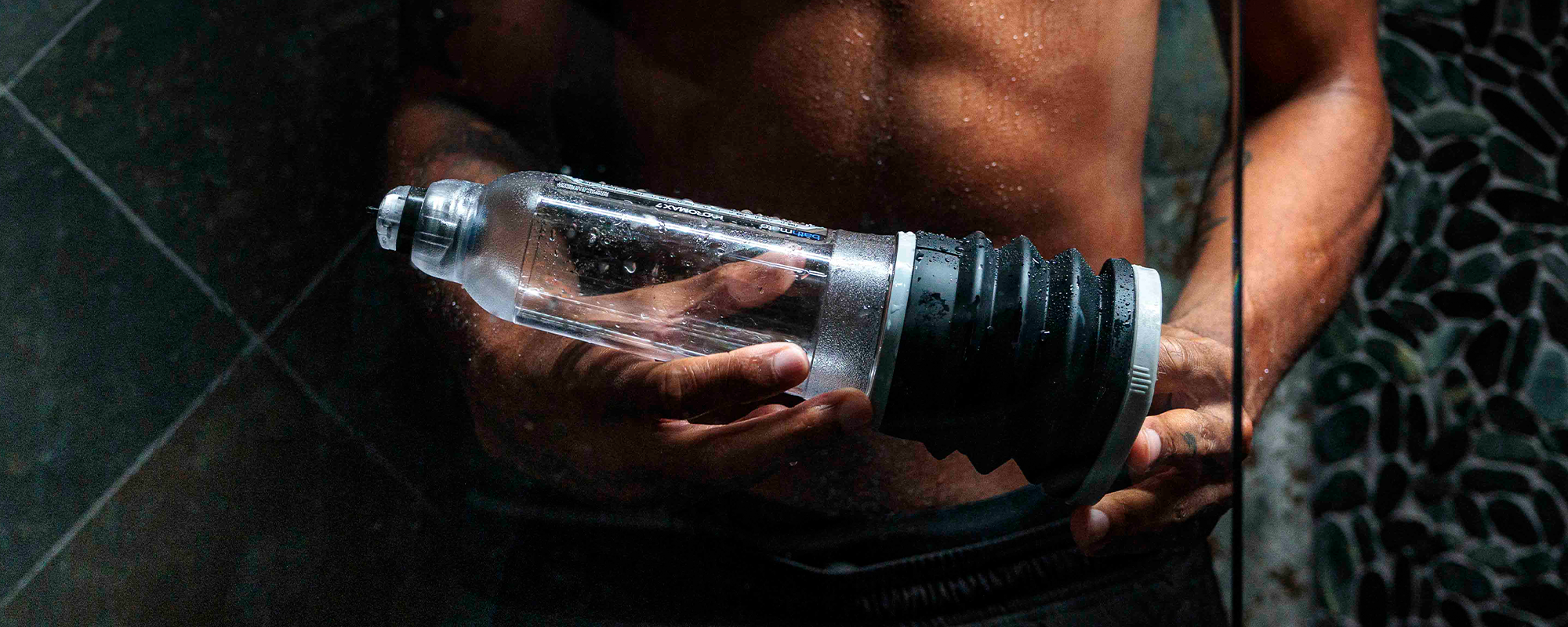
Got questions or looking to improve overall downstairs health? From hygiene to hydration to choosing the right penis pump for your needs, we’ve got your back (and your front).


Partager:
Contraception masculine : tout ce que vous devez savoir
Pourquoi je n’arrive pas à éjaculer ? Guide pratique de l’éjaculation retardée