


La testostérone joue un rôle essentiel dans de nombreux aspects de la santé, du développement musculaire et de la densité osseuse à la fonction sexuelle et la régulation de l’humeur. Il est donc naturel de se demander comment des activités du quotidien, comme la masturbation, peuvent influencer les niveaux de testostérone.
Si vous vous demandez si la masturbation a un impact négatif sur votre testostérone, vous n’êtes pas seul. Pour éclaircir le sujet et mieux comprendre comment la masturbation affecte les taux de testostérone, nous allons aborder dans cet article :
- La science derrière la masturbation et la testostérone
- Les idées reçues les plus courantes sur la masturbation et la testostérone
- Les facteurs qui influencent les niveaux de testostérone
- Les bienfaits de la masturbation pour la santé
La science derrière la masturbation et la testostérone
La relation entre la masturbation et la testostérone a été largement étudiée, mais les idées reçues persistent. Comprendre les bases scientifiques vous apportera de la clarté et dissipera des inquiétudes inutiles à propos de la masturbation et de la testostérone.
La masturbation affecte‑t‑elle les niveaux de testostérone ?
Contrairement aux idées reçues, la masturbation n’a pas d’impact significatif sur la production de testostérone. Les recherches indiquent que l’activité sexuelle, y compris la masturbation, n’entraîne que de légères fluctuations hormonales, ni nocives ni durables.
La testostérone est produite en continu par les testicules, et ses niveaux sont régulés par une interaction complexe de fonctions endocriniennes, indépendante de la fréquence de l’activité sexuelle.
Variations temporaires de la testostérone après la masturbation
Après l’éjaculation, les niveaux de testostérone peuvent légèrement diminuer en raison de la réponse naturelle de l’organisme à l’activité sexuelle. Cette fluctuation temporaire est normale et de courte durée, les niveaux revenant rapidement à leur valeur de base. Ces variations sont minimes et n’ont pas d’effet notable sur l’équilibre hormonal global ni sur la santé.
Effets à long terme de la masturbation sur la testostérone
Les habitudes de masturbation à long terme ne modifient pas les niveaux de testostérone. L’idée selon laquelle une masturbation chronique provoquerait des déséquilibres hormonaux est un mythe non étayé par des preuves scientifiques.
Pour autant que les autres aspects de votre santé soient pris en charge, la production de testostérone reste stable, que vous vous masturbiez chaque jour ou que vous expérimentiez régulièrement de nouvelles choses, par exemple en vous familiarisant avec des appareils comme les pompes à pénis et en essayant d’obtenir les meilleurs résultats avec une pompe à pénis.
Idées reçues courantes sur la masturbation et la testostérone
La désinformation autour de la masturbation et de son impact sur la testostérone peut générer une anxiété inutile. Pour vous rassurer, passons en revue et déconstruisons quelques idées reçues fréquentes.
La masturbation entraîne une baisse importante de la testostérone
Une croyance répandue affirme qu’une masturbation fréquente épuise les réserves de testostérone de l’organisme. En réalité, le corps produit continuellement de la testostérone, assurant un apport stable. En conclusion, l’activité sexuelle, y compris la masturbation, n’a pas d’impact significatif sur les niveaux de testostérone.
La masturbation provoque une baisse d’énergie ou de libido
Même si une masturbation excessive peut entraîner une fatigue passagère liée à l’effort physique, elle ne réduit pas intrinsèquement l’énergie ou la libido à long terme. En fait, la masturbation peut aider à réduire le stress et à améliorer l’humeur, ce qui peut potentiellement renforcer votre désir sexuel au fil du temps.
La masturbation est néfaste pour les niveaux de testostérone
L’idée selon laquelle la masturbation affecterait négativement la production de testostérone repose sur de la désinformation. Les études scientifiques montrent de manière constante que la masturbation n’altère pas les niveaux de testostérone ni la santé globale.
Facteurs qui influencent les niveaux de testostérone

Comprendre ce qui influence réellement les niveaux de testostérone peut aider à lever les doutes concernant l’activité sexuelle et la santé hormonale. Parmi les facteurs susceptibles d’affecter vos niveaux de testostérone :
Facteurs liés au mode de vie
Des choix de vie sains sont essentiels pour maintenir des niveaux de testostérone optimaux. L’exercice régulier, une alimentation équilibrée et un sommeil suffisant sont reconnus pour favoriser l’équilibre hormonal. À l’inverse, des habitudes délétères comme le tabagisme, une consommation excessive d’alcool et la sédentarité peuvent freiner la production de testostérone.
État de santé et médicaments
Certaines affections, notamment l’obésité, le diabète et les troubles hormonaux, peuvent influencer les niveaux de testostérone. Des médicaments, tels que les stéroïdes ou les opioïdes, peuvent également perturber l’équilibre hormonal.
Âge et niveaux de testostérone
Les niveaux de testostérone diminuent naturellement avec l’âge, généralement à partir du début de la trentaine. Cette baisse progressive fait partie du vieillissement et n’a aucun lien avec l’activité sexuelle, y compris la masturbation.
Les bienfaits de la masturbation pour la santé
Si l’on se concentre souvent sur les aspects potentiellement négatifs, la masturbation présente plusieurs bénéfices physiques et mentaux qui contribuent à votre bien‑être global. Parmi eux :
Bénéfices pour la santé physique et mentale
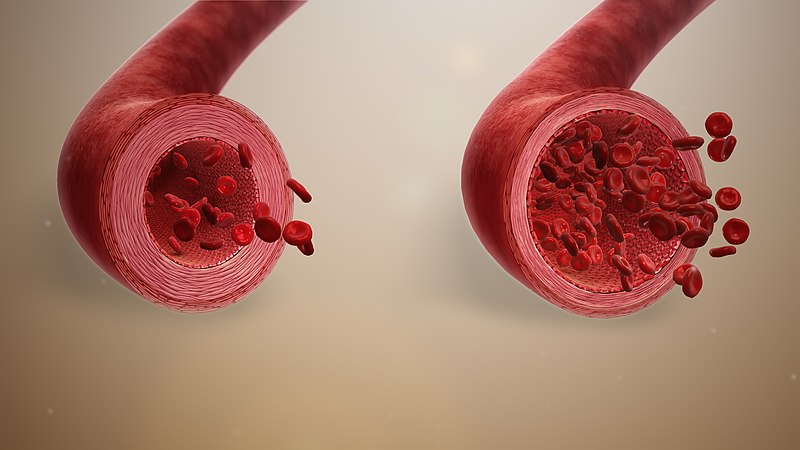
La masturbation peut améliorer la santé mentale en réduisant le stress et en favorisant la détente. Elle déclenche la libération d’endorphines, qui peuvent améliorer l’humeur et atténuer l’anxiété. De plus, une activité sexuelle régulière, y compris la masturbation, peut améliorer la circulation sanguine et soutenir la santé cardiovasculaire.
Masturbation et équilibre hormonal
La masturbation peut aider à réguler certains cycles hormonaux en favorisant la libération de substances chimiques dans le cerveau, telles que la dopamine et l’ocytocine. Ces neuro‑médiateurs contribuent à votre bien‑être émotionnel et peuvent, de manière indirecte, soutenir l’équilibre hormonal.
Pour conclure
La masturbation ne fait pas baisser les niveaux de testostérone de manière significative. Et même s’il peut y avoir de légères fluctuations hormonales temporaires après une activité sexuelle, ces variations sont minimes et n’ont aucun impact durable sur votre santé globale.
Adopter un mode de vie équilibré, traiter d’éventuels problèmes de santé sous‑jacents et se concentrer sur les facteurs scientifiquement reconnus comme influençant la production de testostérone restent les meilleures stratégies pour préserver une santé hormonale optimale.
Si vous êtes préoccupé par vos niveaux de testostérone, il existe plusieurs symptômes d’un faible taux de testostérone dont vous pouvez discuter avec votre professionnel de santé afin de trouver une solution.




Partager:
Comment bien nettoyer votre pénis
La masturbation fait-elle brûler des calories ?