


When your sex drive fades, it’s rarely just a physical issue. More often, it’s tied to mental health, emotional patterns, and relationship dynamics. Stress, anxiety, depression, and low self-esteem can quietly suppress desire, while unresolved conflict, emotional disconnection, and past experiences reshape how your brain responds to intimacy.
This article explores how psychological causes of low libido develop, why your desire can disappear suddenly, and how factors like performance anxiety, burnout, and relationship strain interact. You’ll also begin to understand how to reconnect with your body, rebuild confidence, and restore a healthier connection between emotional wellbeing and sexual desire.
When Desire Fades Without Warning
There’s a moment many people experience but rarely talk about.
Nothing dramatic happens. No illness. No obvious trigger. Yet suddenly, or gradually, your interest in sex just… disappears.
You might find yourself asking:
- Why has my sex drive disappeared suddenly?
- Why do I have no libido but still love my partner?
- Can stress cause loss of libido?
These aren’t just passing concerns. They’re signals.
Because libido isn’t just physical—it’s deeply psychological.
Sexual desire is not a switch. It’s a system shaped by your thoughts, emotions, environment, and experiences.
Understanding when your libido disappears: psychological causes of low desire requires looking beneath the surface—into the patterns your mind has built over time.
The Brain–Body Connection: Why Libido Starts in the Mind
Libido is often treated like a biological function. Hormones, blood flow, testosterone. And while those matter, they’re only part of the picture.
Your brain is the control centre of desire.
When your mental state shifts, your body follows.
The key psychological drivers include:
- Stress and low libido disrupting arousal signals
- Anxiety and sexual desire interfering with focus and relaxation
- Depression and libido loss reducing pleasure and motivation
- Low self-esteem and sex drive weakening confidence and engagement
When these factors combine, they create a disconnect between physical capability and emotional readiness.
Stress: The Silent Libido Killer
Stress is one of the most common yet overlooked contributors to low desire.
From work stress and low libido to broader life stressors and sexual desire, your body prioritises survival over pleasure when under pressure.
What stress does to your libido:
- Increases cortisol (your stress hormone)
- Suppresses testosterone and arousal signals
- Creates mental fatigue and sex drive decline
- Leads to burnout and sex drive disconnection
Over time, this becomes a pattern.
You don’t just feel stressed—you begin to associate intimacy with effort rather than enjoyment.
Chronic stress doesn’t just reduce libido. It retrains your brain to deprioritise it.
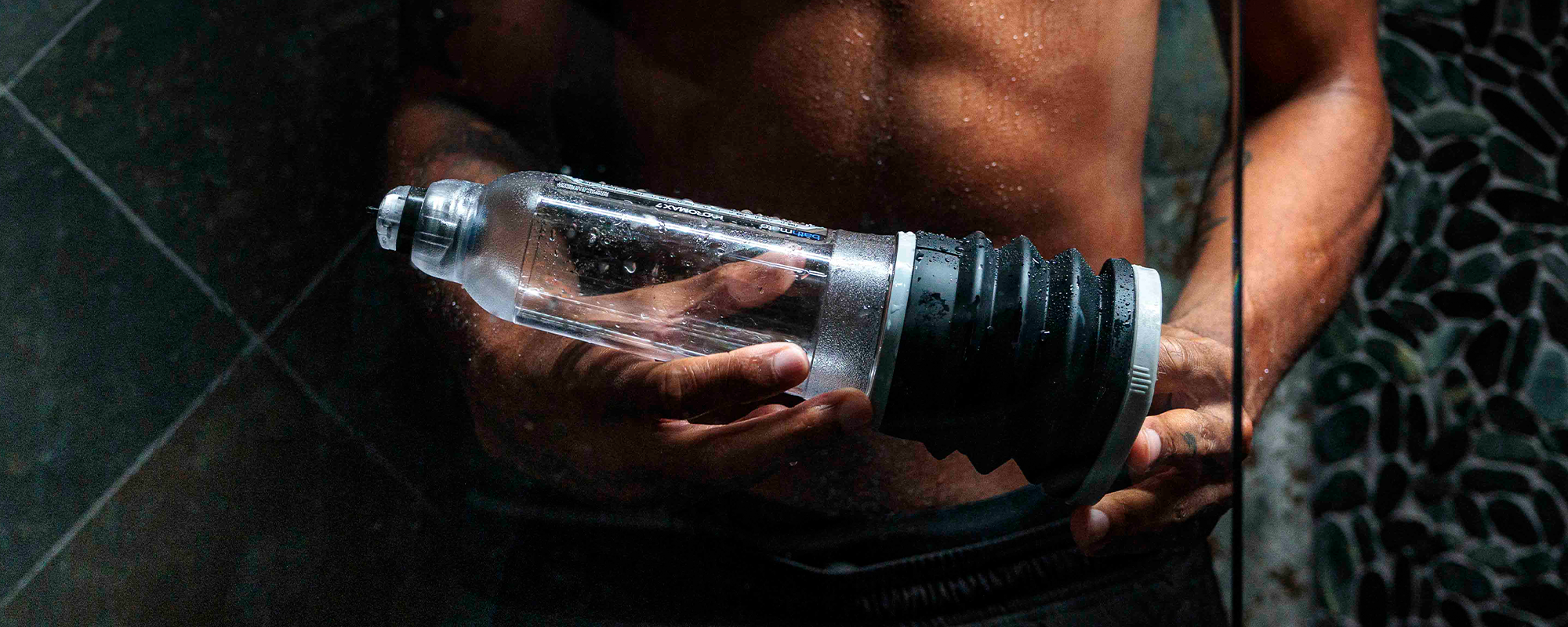
This is where many people begin exploring ways to reconnect physically and mentally, sometimes turning to tools like the HydroXtreme Pump to rebuild confidence and physical responsiveness alongside mental recovery.
Anxiety: When Your Mind Won’t Switch Off
If stress is pressure, anxiety is anticipation.
It’s the constant mental noise that makes it difficult to stay present.
Common anxiety-related patterns:
- Performance anxiety and libido issues
- Intrusive thoughts and sexual desire disruption
- Overthinking and arousal interference
- Fear of not satisfying a partner
Instead of experiencing intimacy, you analyse it.
Instead of feeling, you evaluate.
This creates a loop where:
- Anxiety reduces arousal
- Reduced arousal increases anxiety
- The cycle reinforces itself
In many cases, this leads to sexual avoidance behaviour, where desire fades not because it’s gone—but because it feels stressful to access.
Depression and Emotional Disconnection
Few factors impact libido as deeply as depression.
Not just sadness—but a broader emotional shutdown.
Key effects include:
- Depression and lack of sexual interest
- Anhedonia (loss of pleasure) and sex
- Lack of motivation and libido
- Emotional numbness
Even if physical function remains, the emotional drive disappears.
You may still love your partner. Still find them attractive. But the internal spark is missing.
This is where emotional exhaustion and libido intersect.
Desire requires energy. Depression takes that energy away.
Self-Perception: Confidence, Shame, and Body Image
Your relationship with your own body plays a critical role in desire.
Psychological barriers include:
- Body image issues and libido
- Confidence and sexual desire challenges
- Shame and sexuality conditioning
- Embarrassment during sex
When you feel disconnected from your body, it becomes harder to engage with someone else.
This is especially true in cases where:
- There’s been criticism or rejection
- Social comparison (including social media and body image libido) impacts self-worth
- Past experiences shaped negative beliefs
Rebuilding that connection often involves both mental and physical approaches. Many men, for example, explore confidence-building routines alongside products like the Hydromax Lander as part of regaining a sense of control and body awareness.
The Overlooked Role of Lifestyle Psychology
Modern life introduces a new layer of complexity to libido.
It’s not just internal emotions—it’s how your environment shapes them.
Emerging contributors:
- Digital stress and libido overload
- Dopamine dysregulation and sex drive
- Porn-induced low libido
- Constant stimulation reducing sensitivity to real intimacy
Your brain adapts to what it consumes.
If overstimulated, real-world desire can feel muted by comparison.
Relationship Dynamics: Where Desire Is Built—or Broken
If the mind is the engine of libido, relationships are the environment it operates in.
Even strong attraction can fade when emotional conditions shift. This is why relationship problems and libido are so closely connected—and often misunderstood.
You can love your partner deeply and still experience a loss of desire.
You can feel committed, loyal, and emotionally invested… yet disconnected physically.
That contradiction sits at the heart of many cases of low libido.
Emotional Disconnection and the Erosion of Desire
Desire thrives on connection. Not just physical closeness—but emotional safety, trust, and presence.
When those begin to weaken, so does libido.
Common patterns include:
- Emotional disconnection and sex drive decline
- Lack of intimacy and sexual desire
- Feeling unseen or unappreciated
- Routine replacing excitement
Over time, intimacy can shift from something spontaneous to something expected—or avoided.
When emotional connection fades, physical desire often follows quietly behind it.
This is particularly relevant in long-term relationships, where familiarity can sometimes reduce novelty, especially when combined with stress or unresolved tension.
Communication Breakdown and Silent Resentment
Not all libido issues come from obvious conflict.
In many cases, it’s what isn’t being said that matters most.
Hidden relationship stressors:
- Communication problems in relationships
- Unresolved conflict and libido
- Resentment in relationships and sex drive
- Partner dissatisfaction and libido
These don’t always surface as arguments. Often, they show up as withdrawal.
Less touch. Less eye contact. Less engagement.
And eventually—less desire.
Why this happens:
- Emotional tension creates psychological distance
- Distance reduces intimacy
- Reduced intimacy lowers sexual desire
This cycle can continue indefinitely unless consciously interrupted.
Trust, Vulnerability, and Fear of Intimacy
Desire requires vulnerability.
But for many, vulnerability doesn’t feel safe.
Key psychological barriers:
- Trust issues in relationships and libido
- Fear of intimacy
- Avoidant emotional patterns
- Difficulty expressing needs
These are often rooted in deeper attachment dynamics.
Attachment Styles and Libido
Your attachment style—formed early in life—can strongly influence your sexual behaviour.
Two common patterns:
1. Avoidant attachment and intimacy
- Discomfort with closeness
- Tendency to withdraw emotionally
- Reduced desire in committed relationships
2. Anxious attachment
- Fear of rejection
- Over-dependence on validation
- Fluctuating libido based on reassurance
These patterns can create sexual desire discrepancy, where partners experience mismatched levels of desire.
And without awareness, it’s easy to misinterpret this as lack of attraction—when it’s actually psychological conditioning.
When Past Experiences Shape Present Desire
Your past doesn’t stay in the past—especially when it comes to intimacy.
Trauma-related factors:
- Sexual trauma and libido
- History of abuse and sexual desire
- Negative sexual experiences and libido
These experiences can rewire how your brain associates intimacy.
Instead of safety and pleasure, it may associate:
- Risk
- Vulnerability
- Loss of control
This can lead to:
- Sexual avoidance behaviour
- Emotional detachment during intimacy
- Difficulty feeling aroused or present
The body remembers what the mind tries to forget.
Healing in these cases often requires deeper psychological support, such as psychosexual therapy or cognitive behavioural therapy for libido, alongside patience and self-awareness.
Responsive vs Spontaneous Desire: A Missing Piece
One of the most misunderstood aspects of libido is how desire actually works.
Many people assume it should appear spontaneously—but that’s not always the case.
Two types of desire:
- Spontaneous desire – arises naturally without stimulation
- Responsive desire – develops after physical or emotional engagement begins
In long-term relationships, responsive desire is far more common.
But if you’re expecting spontaneous desire, you may assume something is wrong.
This misunderstanding alone can create:
- Frustration
- Performance pressure
- Reduced confidence
Understanding this shift can be a turning point in rebuilding libido.
Cognitive Distraction: When Your Mind Interrupts Your Body
Even in healthy relationships, desire can be disrupted by mental interference.
Common cognitive barriers:
- Cognitive distraction during sex
- Intrusive thoughts and sexual desire disruption
- Over-analysing performance
- Difficulty staying present
This is especially common in high-stress individuals or those experiencing anxiety.
Instead of being in the moment, your attention is split.
And desire requires focus.
Rebuilding Physical Confidence as Part of Emotional Recovery
While psychological factors are central, physical confidence still plays an important role.
Feeling capable, responsive, and in control of your body can reinforce positive mental patterns.
This is why some individuals integrate physical tools into their recovery—not as a solution on their own, but as part of a broader approach.
For example:
- The Hydro7 is often used to support consistent performance and rebuild confidence
- The HydroXtreme Kit offers a more structured routine for those looking to re-engage physically
These approaches can help reconnect the psychological and physical aspects of desire—especially when paired with improved communication and emotional awareness.
The Compounding Effect: When Multiple Factors Collide
Low libido is rarely caused by just one issue.
More often, it’s a combination:
- Stress + relationship tension
- Anxiety + performance pressure
- Past experiences + current disconnection
Example:
Someone experiencing work stress and low libido may also:
- Feel emotionally distant from their partner
- Develop performance anxiety and libido concerns
- Begin avoiding intimacy
Over time, this creates a layered problem that feels difficult to untangle.
But understanding each layer is the first step toward reversing it.
Rebuilding Desire: Where Recovery Begins
By now, one thing should be clear:
Low libido isn’t a failure. It’s feedback.
It’s your mind and body signalling that something—emotionally, psychologically, or relationally—needs attention.
The good news is that desire is not permanently lost. It can be rebuilt.
But not by forcing it.
Instead, recovery comes from realigning your mental, emotional, and physical state so that desire can emerge naturally again.
Step 1: Restore Emotional Wellbeing First
Before focusing on performance or frequency, start with your internal state.
Because emotional wellbeing and sexual desire are inseparable.
Key areas to address:
- Reducing stress and low libido triggers
- Managing anxiety and sexual desire interference
- Supporting recovery from depression and libido loss
- Rebuilding energy where fatigue and libido are linked
This isn’t about eliminating all stress—it’s about regulating it.
Practical strategies:
- Prioritise sleep and recovery
- Reduce overstimulation (especially digital overload)
- Introduce calming routines (walking, breathing exercises)
- Limit sources of digital stress and libido disruption
A regulated nervous system creates the conditions for desire to return.
Step 2: Rewire Your Relationship With Desire
One of the most powerful shifts you can make is understanding that libido is not always spontaneous.
If you’ve been waiting to feel desire before engaging, you may be working against how your body actually functions.
Instead:
- Allow desire to build gradually
- Focus on connection before arousal
- Remove pressure to “perform”
This is especially important if you’ve experienced:
- Performance anxiety and libido issues
- Overthinking and arousal disruption
- Cognitive distraction during sex
Try this mindset shift:
Don’t chase desire. Create the conditions where it can appear.
This is where mindfulness and sexual desire become powerful tools—helping you stay present instead of analytical.
Step 3: Address Relationship Friction Directly
If your libido issues are tied to your relationship, no amount of personal optimisation will fully resolve them without communication.
Focus on:
- Resolving communication problems in relationships
- Addressing unresolved conflict and libido
- Rebuilding trust where trust issues in relationships and libido exist
This doesn’t require perfect conversations—just honest ones.
Even small shifts in emotional connection can have a significant impact on desire.
Simple starting points:
- Express needs without blame
- Ask your partner about their experience
- Reintroduce non-sexual touch
These actions rebuild safety—which is essential for desire.
Step 4: Heal Psychological Blocks and Past Conditioning
For some, libido loss is rooted in deeper experiences.
If you’ve experienced:
- Sexual trauma and libido challenges
- Negative sexual experiences and libido patterns
- Long-term shame and sexuality conditioning
Then recovery may require more structured support.
Effective approaches include:
- Psychosexual therapy
- Cognitive behavioural therapy for libido
- Guided emotional processing
These help reframe how your brain associates intimacy—shifting it from tension to safety.
Step 5: Rebuild Physical Confidence
While libido starts in the mind, your physical experience still matters.
Confidence in your body reinforces confidence in your mind.
This is where physical engagement becomes part of psychological recovery.
Benefits of rebuilding physical confidence:
- Strengthens confidence and sexual desire
- Reduces anxiety around performance
- Reconnects you with your body
Some men incorporate structured routines using tools like:
- The HydroXtreme Pump for improving responsiveness and control
- The HydroXtreme UltraMale Kit for a more advanced, consistent routine
- Exploring additional options through Bathmate Accessories to personalise their approach
Used correctly, these aren’t quick fixes—they’re part of rebuilding trust in your physical self.
Step 6: Reconnect With Pleasure (Not Performance)
One of the biggest mistakes people make when trying to restore libido is focusing on outcomes.
Instead, shift your focus to experience.
This means:
- Letting go of expectations
- Reducing goal-oriented thinking
- Exploring sensation without pressure
This is especially important if you’ve experienced:
- Sexual avoidance behaviour
- Fear of intimacy
- Embarrassment during sex
Pleasure grows in environments where pressure is removed.
Step 7: Understand That Desire Fluctuates
Libido is not static.
It changes based on:
- Stress levels
- Relationship dynamics
- Mental health
- Life circumstances
Experiencing a dip in desire doesn’t mean something is permanently wrong.
It means something has shifted.
The goal is not constant high libido—but responsive, adaptable desire.
Final Thoughts
When desire disappears, it can feel confusing, frustrating—even isolating.
But it’s not random.
It’s the result of patterns—mental, emotional, relational—that can be understood and changed.
Whether your experience is driven by:
- Stress and low libido
- Relationship issues causing low libido
- Trauma and loss of sexual desire
- Or the broader mental health and sex drive connection
The path forward is the same:
Awareness → Understanding → Reconnection
Desire doesn’t vanish. It becomes inaccessible under the wrong conditions.
Change those conditions—and it can return.
Frequently Asked Questions
1. Can low libido be purely psychological with no physical cause?
Yes. While physical factors like hormones or health conditions can play a role, many cases of low libido are driven entirely by psychological causes of low libido such as stress, anxiety, depression, or relationship dynamics. The brain is the primary driver of desire—if it’s overwhelmed or disengaged, libido often follows.
2. How long can low libido from psychological causes last?
It varies widely. For some, it may last weeks during periods of life stressors and sexual desire disruption. For others, especially when linked to deeper issues like emotional exhaustion and libido or unresolved trauma, it can persist for months or longer without intervention.
3. Is it normal to lose sexual desire during stressful life periods?
Yes. Temporary dips in libido during high-pressure periods—such as work deadlines, major life changes, or emotional strain—are very common. Work stress and low libido is one of the most frequently reported patterns, and it typically improves once stress levels are reduced.
4. Can overthinking really affect sexual arousal?
Absolutely. Overthinking and arousal are closely linked. When your mind is focused on performance, appearance, or expectations, it diverts attention away from sensation—making it harder for desire to develop naturally.
5. Does low libido mean I’m no longer attracted to my partner?
Not necessarily. Many people experiencing relationship problems and libido still feel attraction and love toward their partner. Often, the issue lies in emotional disconnection, stress, or internal psychological factors rather than a loss of attraction.
6. Can fatigue alone cause a loss of libido?
Yes. Persistent tiredness, especially when linked to mental fatigue and sex drive decline, can significantly reduce desire. When your body is low on energy, it prioritises rest over sexual activity.
7. How does shame affect sexual desire?
Feelings of shame and sexuality can suppress libido by creating discomfort around intimacy. This may stem from upbringing, past experiences, or negative beliefs about sex, leading to avoidance or reduced engagement.
8. Can unequal desire in a relationship be psychological?
Yes. Sexual desire discrepancy between partners is often influenced by psychological factors such as stress levels, attachment styles, or emotional needs. It doesn’t always indicate incompatibility—just different internal experiences.
9. Is it possible to regain libido without medication?
In many cases, yes. Addressing underlying issues like anxiety and sexual desire, stress, or relationship challenges can naturally restore libido. Approaches such as therapy, lifestyle adjustments, and improving emotional connection are often effective.
10. When should I seek professional help for low libido?
You should consider professional support if:
- Low libido persists for several months
- It causes distress or impacts your relationship
- It’s linked to trauma, anxiety, or depression
Working with a specialist in sex therapy for low libido or psychosexual counselling can help identify and resolve deeper psychological patterns.


Share:
Masturbation in Relationships: Healthy or Hurtful?
Is Intermittent Fasting Affecting Your Sex Drive?