

Avez-vous déjà remarqué que certains jours, votre corps semble prêt pour une seconde fois presque immédiatement, alors qu’à d’autres moments il lui faut beaucoup plus de temps pour récupérer après un rapport ?
Cette différence n’est pas due au hasard. Dans de nombreux cas, tout dépend de la façon dont votre corps se rétablit après le climax. On suppose souvent que l’endurance sexuelle est liée à la testostérone ou à la libido. En réalité, retrouver une érection après l’orgasme dépend de plusieurs systèmes du corps qui travaillent de concert. Votre circulation doit assurer un apport sanguin optimal. Votre système nerveux doit revenir à un état d’équilibre. Et votre condition physique générale influence l’efficacité avec laquelle votre corps se réinitialise.
Lorsque ces systèmes fonctionnent bien ensemble, la récupération est généralement plus rapide et plus naturelle. Le corps peut répondre de nouveau à l’excitation sans se sentir vidé ni ralenti. Et quand la récupération s’améliore, les érections paraissent souvent plus fermes, l’endurance devient plus régulière et la confiance suit.
Pourquoi la récupération compte pour la fermeté de l’érection
Après l’orgasme, le corps entre dans ce que les chercheurs appellent la période réfractaire. Pendant cette phase, une autre érection ou un nouvel orgasme est difficile, voire temporairement impossible. La durée de cette fenêtre varie beaucoup. Les hommes plus jeunes récupèrent parfois en quelques minutes, tandis que les hommes plus âgés peuvent avoir besoin de plus de temps.
La vitesse de récupération n’est pas complètement fixe. La qualité du sommeil, la santé cardiovasculaire, le niveau de stress et l’équilibre hormonal l’influencent tous.
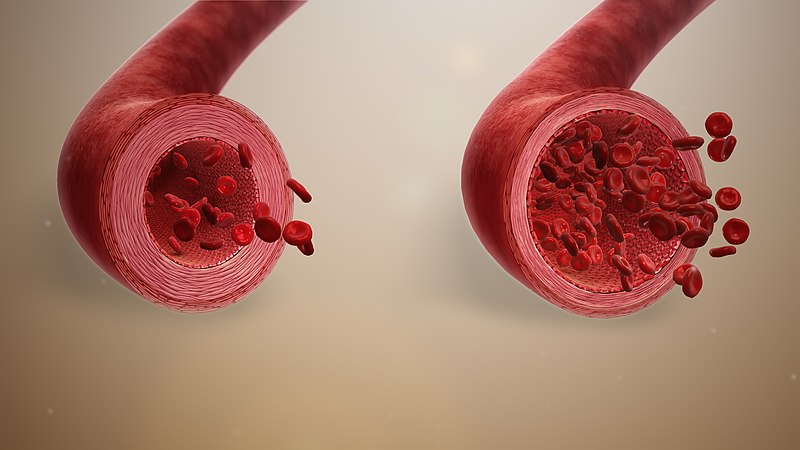
Sur le plan biologique, l’érection dépend surtout de la circulation sanguine. Les signaux d’oxyde nitrique permettent aux vaisseaux sanguins du pénis de se relâcher pour laisser entrer un sang riche en oxygène dans le tissu érectile. Quand la circulation répond facilement, les érections ont tendance à se former plus vite et la récupération peut survenir plus tôt. Une circulation limitée peut conduire à des érections plus souples ou à des périodes de récupération plus longues.
Les hormones façonnent également le processus. La testostérone soutient la libido et la production d’oxyde nitrique. Les hormones du stress comme le cortisol peuvent perturber les signaux d’érection. Lorsque le système nerveux reste en état d’alerte après le rapport, le flux sanguin demeure souvent restreint et la récupération ralentit.
En pratique, récupérer signifie simplement laisser le corps revenir à un état détendu, avec une bonne circulation.
Ce qui se passe pendant la période réfractaire
Plusieurs changements biologiques surviennent immédiatement après l’éjaculation.
- La prolactine augmente après l’orgasme. Cette hormone réduit l’excitation sexuelle pendant un court laps de temps et contribue à la sensation de détente ou de satisfaction que beaucoup d’hommes ressentent ensuite.
- Les niveaux de dopamine diminuent également temporairement. La dopamine stimule le désir et la motivation ; cette brève baisse peut réduire l’intérêt sexuel jusqu’à ce que les niveaux remontent.
- Le flux sanguin se réoriente lorsque le pénis relâche le sang qui a créé l’érection et revient à son état de repos.
- Le système nerveux change lui aussi de régime. L’excitation sexuelle active le système sympathique, qui augmente le rythme cardiaque et l’état d’alerte. La récupération demande l’intervention du système parasympathique, qui favorise le repos et la détente.
Chez certains hommes, cette remise à zéro est rapide. Chez d’autres, elle prend plus de temps, surtout en période de fatigue, de stress ou de manque de sommeil.
Voici six façons de raccourcir la période réfractaire.
1. Favorisez la circulation après un rapport
Aider la circulation à se rétablir est l’un des moyens les plus simples de favoriser la récupération érectile.
Le mouvement léger aide. Se lever, aller boire un verre d’eau, ou étirer vos hanches pendant une minute maintient le sang en mouvement dans la zone pelvienne.
Le tissu érectile a besoin de sang riche en oxygène pour rester réactif. Maintenir la circulation après le rapport permet au corps de se poser sans la chute brutale du flux sanguin qui peut ralentir la récupération.
L’hydratation aide aussi. L’activité sexuelle augmente la fréquence cardiaque et demande un effort physique ; boire un verre d’eau ensuite aide à maintenir le volume sanguin.
La chaleur peut également soutenir la circulation. Une douche chaude détend le corps et permet aux vaisseaux sanguins de s’ouvrir plus facilement.
2. Laissez le système nerveux se calmer
Le système nerveux joue un rôle central dans la récupération sexuelle.
Pendant l’excitation, le système nerveux sympathique prépare le corps à l’action. La récupération dépend de la réponse inverse. Le système parasympathique permet au corps de se détendre et de retrouver l’équilibre.
Le stress chronique peut entraver cette bascule. Un cortisol élevé peut réduire les signaux d’oxyde nitrique et rendre les érections plus difficiles à maintenir.
Des habitudes simples facilitent la transition. Une respiration lente pendant quelques minutes suffit souvent. Certains couples préfèrent rester allongés tranquillement ou poursuivre un contact doux. Même une courte conversation peut envoyer un signal de sécurité au système nerveux.
Quand le corps se détend, la circulation et les signaux d’excitation reviennent généralement plus facilement.
3. Entraînez le plancher pelvien
Les muscles du plancher pelvien soutiennent discrètement la fermeté de l’érection.
Deux muscles en particulier (le bulbo-spongieux et l’ischio-caverneux) aident à garder le sang à l’intérieur du pénis pendant l’érection en comprimant les veines qui permettraient autrement au sang de s’évacuer.
Un plancher pelvien plus fort améliore souvent la fermeté et le contrôle de l’érection.
Un exercice de base est simple :
- Contractez les muscles que vous utiliseriez pour arrêter la miction, maintenez environ cinq secondes, puis relâchez.
- Répétez ce cycle plusieurs fois, une à deux fois par jour, pour développer progressivement force et coordination.
4. Soutenez l’équilibre hormonal
Les hormones influencent aussi la rapidité du retour du désir après l’orgasme.
La testostérone joue un rôle important dans la libido et la fonction érectile. Elle soutient également la production d’oxyde nitrique, qui permet aux vaisseaux sanguins de se dilater pendant l’excitation.
Les habitudes quotidiennes influencent l’équilibre hormonal.
Le renforcement musculaire peut stimuler de brèves hausses de testostérone. Le sommeil est tout aussi important, une grande partie de la production de testostérone ayant lieu durant le sommeil profond.
La nutrition soutient également la production hormonale. Les aliments riches en zinc, en magnésium, en bonnes graisses et en vitamine D apportent les nutriments impliqués dans la synthèse hormonale.
Les hommes qui maintiennent ces habitudes constatent souvent une énergie plus régulière et un désir sexuel plus constant.
5. Entretenez une circulation saine dans le tissu érectile
Le tissu érectile bénéficie d’une circulation régulière.
L’activité physique, en particulier l’exercice cardiovasculaire, soutient la santé vasculaire et aide à préserver l’élasticité du pénis.
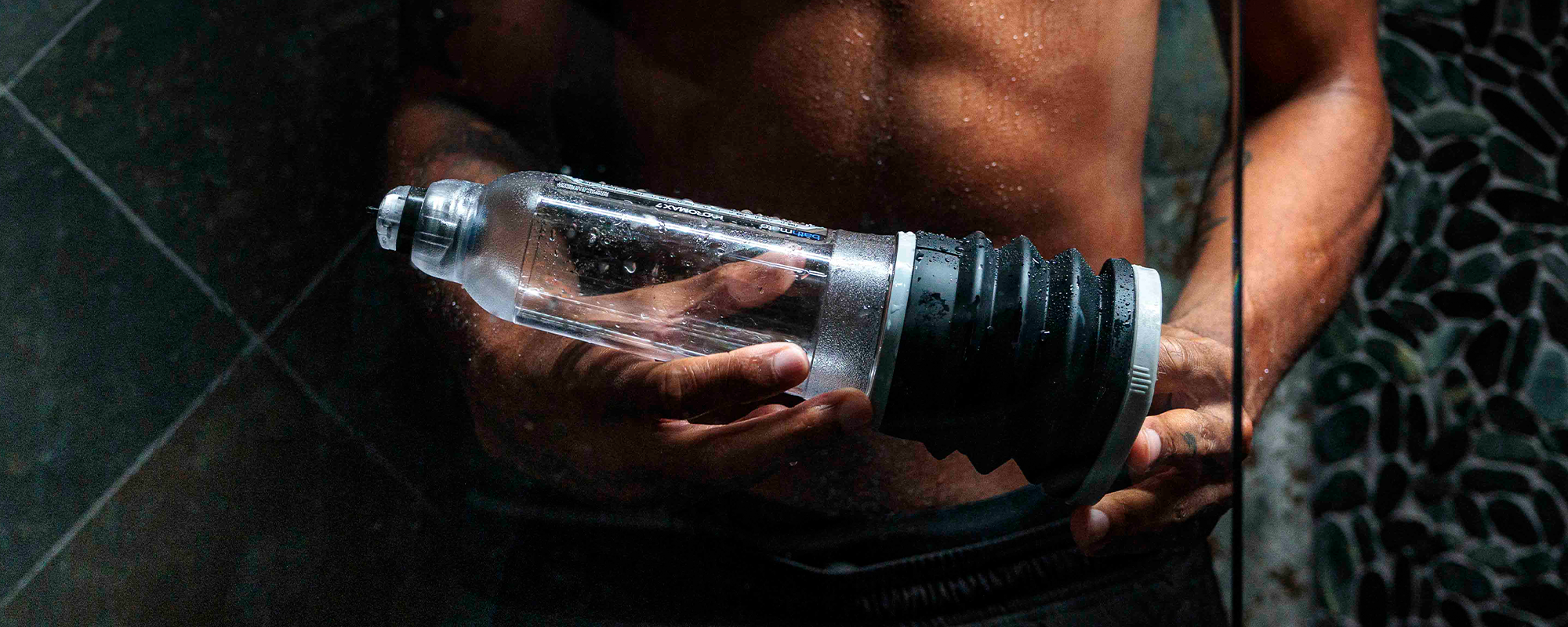
Certains hommes utilisent aussi des hydropompes dans leur routine. Des dispositifs tels que Bathmate créent une légère pression par effet de vide dans de l’eau tiède, attirant le sang dans le tissu érectile.
De courtes séances favorisent la circulation et l’apport d’oxygène dans la zone.
L’objectif n’est pas de provoquer immédiatement une seconde érection. L’idée est plutôt de soutenir la santé vasculaire à long terme afin que les érections puissent survenir naturellement.
6. Restez proche de votre partenaire
Le lien émotionnel peut influencer la récupération physique plus qu’on ne le pense.
Après l’orgasme, certains couples se détachent rapidement, se retournent ou prennent leur téléphone. Rester proches quelques minutes aide souvent le corps à rester détendu.
Le contact, la conversation ou une proximité tranquille peuvent envoyer un signal de sécurité au système nerveux.
Lorsque le corps se sent à l’aise et sans pression, les signaux d’excitation peuvent revenir plus facilement.
Les recherches sur la satisfaction sexuelle montrent que le lien émotionnel et la communication pèsent autant que les facteurs physiques.
Réduire la pression liée à la performance permet souvent au désir de revenir naturellement.
Respectez le rythme naturel de votre corps
La fenêtre de récupération varie d’un homme à l’autre.
L’âge, le niveau de stress, la qualité du sommeil et l’état de santé général influencent tous la période réfractaire. Attendre une récupération instantanée à chaque fois peut créer une pression inutile.
La récupération tend à s’améliorer lorsque la circulation reste solide, que les hormones demeurent équilibrées et que le système nerveux peut se détendre après le rapport. La force du plancher pelvien joue également un rôle, car ces muscles aident à maintenir le sang dans le tissu érectile pendant l’excitation.
Une routine régulière alliant exercice, gestion du stress, entraînement du plancher pelvien et outils adaptés peut renforcer progressivement la qualité de l’érection.
La récupération devient alors moins une question de forcer son corps que de l’accompagner dans son fonctionnement naturel.
La récupération fait partie de la santé sexuelle
La récupération entre deux érections reflète la manière dont la circulation, les hormones, les muscles et le système nerveux travaillent ensemble. Quand ces systèmes sont soutenus par des habitudes quotidiennes, le corps répond généralement plus facilement à l’excitation et revient plus vite à l’état de disponibilité après l’orgasme. Le mouvement régulier, un bon sommeil, l’entraînement du plancher pelvien et la régulation du stress y contribuent tous.
La récupération ne sera jamais identique à chaque fois. La fatigue, le stress et l’état de santé général influencent la vitesse à laquelle le corps se réinitialise. L’essentiel est de maintenir les conditions qui permettent aux érections de survenir naturellement.
Soutenir la circulation, préserver l’équilibre hormonal et permettre au système nerveux de se détendre après un rapport font souvent la plus grande différence. Avec le temps, ces habitudes construisent un corps qui récupère plus sûrement et répond avec davantage de confiance.

Hakima Tantrika
Learn MoreHakima Tantrika is a sex educator, intimacy coach, and copywriter who contributes regularly to Bathmate’s blog. Trained in classical Tantra, she helps individuals cultivate deeper self-awareness, authentic connection, and embodied confidence. On Substack, she leads an engaged community where she shares insights on sexuality, relationships, and personal growth, blending education with honest storytelling. Through her clear, thoughtful approach and distinctive voice, Hakima brings depth and integrity to modern conversations about intimacy, pleasure, and self-understanding.
Partager:
Hydropompe : un cadeau de bien‑être sexuel réfléchi pour le couple
How Does a Hydropump Work In 8 Steps