

Si vous avez subi une prostatectomie, vous devez gérer bien plus que les douleurs et changements habituels de la convalescence. Pour beaucoup d’hommes, la préoccupation la plus lourde est simple : comment retrouver une érection après une prostatectomie ? C’est une question qui mêle santé, confiance, intimité et masculinité. Et même si le défi est réel, des solutions existent.
La dysfonction érectile (DE) après une chirurgie de la prostate est fréquente. Mais fréquente ne veut pas dire permanente. Comprendre les mécanismes, les traitements et l’état d’esprit à adopter peut vous aider à trouver une voie qui convient à votre corps et à votre mode de vie.
Pourquoi la DE survient après une prostatectomie
Lorsque la prostate est retirée chirurgicalement, généralement pour traiter un cancer de la prostate, cela perturbe souvent les voies nerveuses et les réseaux vasculaires délicats responsables des érections. Les chirurgiens tentent parfois des procédures de préservation nerveuse, mais même dans ce cas, le traumatisme et la cicatrisation peuvent affecter la fonction érectile.
La recherche suggère que presque tous les hommes présentent un certain degré de DE immédiatement après l’intervention. La récupération varie : certains retrouvent une fonction en quelques mois, d’autres mettent des années, et certains ne reviennent jamais à leur niveau d’avant l’opération [1].
Ce n’est pas qu’une question physique. Le stress, l’anxiété et le manque de confiance peuvent amplifier le problème. Si vous vous êtes déjà retrouvé pris dans une spirale de pression de performance, vous savez à quel point la charge mentale peut bloquer les choses très rapidement.
La science de la récupération : que se passe-t-il ?
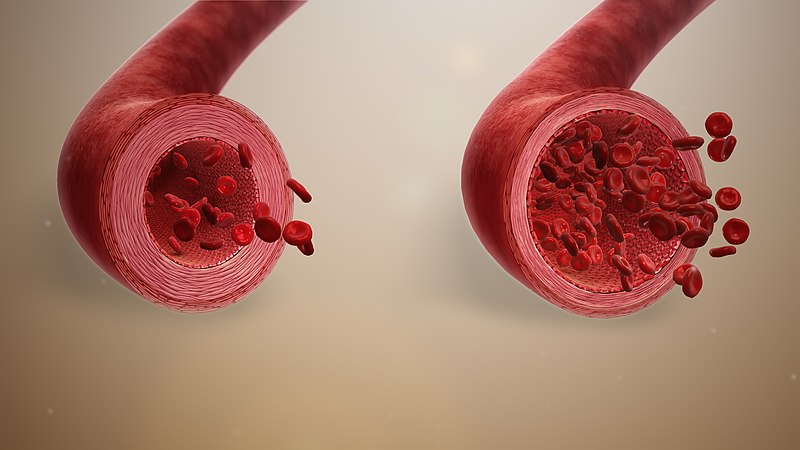
Les tissus pénieniens dépendent d’un flux sanguin sain et d’érections régulières pour rester oxygénés et fonctionnels. Sans stimulation, le tissu peut s’atrophier ou perdre en élasticité. C’est pourquoi des interventions précoces — souvent appelées « rééducation pénienne » — sont encouragées.
Les études montrent que, même lorsque les nerfs mettent du temps à récupérer, l’utilisation de traitements favorisant le flux sanguin peut préserver la santé des tissus et améliorer les résultats à long terme [2]. En d’autres termes : l’activité compte, même si les érections naturelles ne sont pas encore possibles.
Options de traitement : ce qui fonctionne vraiment
Médicaments oraux
Des médicaments comme le sildénafil (Viagra) et le tadalafil (Cialis) sont souvent prescrits. Ils améliorent le flux sanguin en relaxant le muscle lisse vasculaire. Toutefois, ils n’agissent que si une partie de la fonction nerveuse est préservée. En cas d’atteinte nerveuse importante, la réponse peut être limitée.
Injections et suppositoires
L’alprostadil, administré par injection pénienne ou sous forme de suppositoire urétral, stimule directement le flux sanguin pour provoquer une érection. Pas forcément romantique, mais pour certains hommes, très efficace.
Dispositifs à dépression (pompes à pénis)
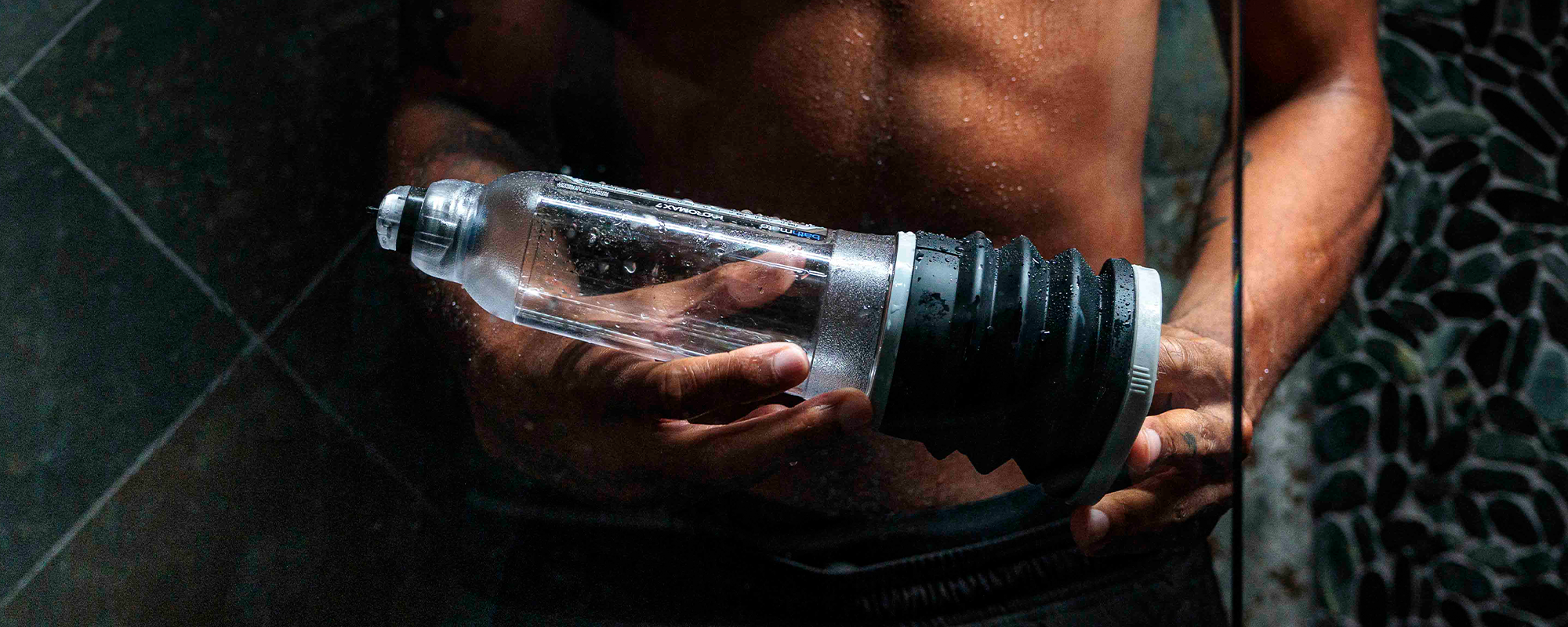
Ici, les choses deviennent intéressantes. Les pompes créent un vide autour du pénis, attirant le sang et produisant une érection. Contrairement aux médicaments, elles ne dépendent pas des signaux nerveux, ce qui les rend utiles pendant la récupération. De nombreux hommes qui souhaitent optimiser la qualité de leurs érections s’intéressent aussi à notre technologie à eau axée sur la performance : les hydropompes apportent confort et régularité, ce qui en fait un ajout pratique à la rééducation.
Implants
Pour les hommes ne répondant pas aux autres thérapies, les implants péniens chirurgicaux offrent une solution fiable. Efficaces, ils constituent toutefois une étape majeure, généralement envisagée après l’échec des autres options.
Risques, sécurité et attentes réalistes
Soyons clairs : aucun traitement ne garantit un retour à la fonction d’avant l’opération. Beaucoup d’hommes retrouvent des érections satisfaisantes, mais elles peuvent ne pas être exactement identiques.
Une utilisation incorrecte des pompes peut provoquer des ecchymoses ; un usage excessif des médicaments peut entraîner des maux de tête ou des problèmes cardiaques ; et les injections, bien qu’efficaces, nécessitent une technique rigoureuse. D’où l’importance d’un suivi médical. N’improvisez pas.
Un facteur souvent négligé est le timing. Une rééducation commencée tôt est associée à de meilleurs résultats [3]. Attendre des années avant d’essayer de restaurer la fonction peut rendre la récupération plus difficile.
Ce que disent les médecins
Les urologues insistent souvent sur trois points : patience, persévérance et variété. Patience, car les nerfs peuvent mettre 18 à 24 mois à guérir. Persévérance, car une rééducation régulière améliore les résultats. Variété, car aucune solution unique ne convient à tout le monde.
Certains praticiens préconisent de faibles doses quotidiennes d’inhibiteurs de la PDE5 associées à des pompes. D’autres privilégient des injections précoces. L’essentiel : l’avis d’un expert oriente la stratégie, et la personnalisation est essentielle.
Les médecins soulignent aussi le dépistage et la prévention. Si ce n’est déjà fait, cela vaut la peine de vérifier les signes de cancer de la prostate à la maison ou d’effectuer un dosage régulier du PSA. Une action préventive rend souvent les traitements moins invasifs à long terme.
Facteurs de mode de vie qui influencent la récupération

Au-delà des dispositifs et des prescriptions, le mode de vie joue un rôle réel. La santé cardiovasculaire est directement liée à la qualité des érections ; l’exercice, une alimentation équilibrée et la gestion du poids comptent donc réellement.
Gérer le stress est tout aussi important. Méditation, accompagnement psychologique ou échanges honnêtes avec votre partenaire peuvent réduire l’anxiété de performance. Certains hommes constatent que lever la charge mentale facilite la récupération physique.
L’alcool, le tabac et un mauvais sommeil nuisent aussi à la fonction sexuelle. Ce ne sont pas des solutions instantanées, mais additionner de petites habitudes peut accélérer la récupération plus qu’on ne le pense.
Exercices du plancher pelvien
Un outil souvent sous-estimé est l’entraînement du plancher pelvien. Renforcer les muscles à la base du pénis et de la région pelvienne améliore la circulation et le contrôle. Une étude publiée dans BJU International a montré que les hommes qui pratiquaient ces exercices retrouvaient plus vite une fonction que ceux qui ne les faisaient pas [4]. Discrets, sans équipement, ils peuvent être réalisés presque partout.
Soutien psychologique
L’anxiété de performance est réelle, et l’ignorer aide rarement. Parler avec un thérapeute, rejoindre un groupe de soutien en santé masculine ou simplement vous ouvrir à votre partenaire peut réduire les barrières mentales à la récupération. La DE après chirurgie n’est pas seulement un revers physique — elle ressemble souvent à une crise identitaire. L’aborder de front fait la différence.
Ce que rapportent les hommes
Même si l’histoire de chaque homme est différente, des thèmes communs reviennent dans les témoignages et les enquêtes. La plupart évoquent des progrès graduels — de petits gains d’abord, puis une fonction plus fiable. Beaucoup soulignent le coup de pouce psychologique lié au fait d’agir, qu’il s’agisse de commencer une thérapie par pompe, d’essayer un médicament ou de pratiquer des exercices du plancher pelvien.
D’autres évoquent la frustration. La récupération peut sembler douloureusement lente, et se comparer à une « norme » peut aggraver les choses. Ceux qui s’adaptent le mieux changent souvent de perspective : plutôt que de courir après leur ancien niveau, ils se concentrent sur ce qui fonctionne maintenant et construisent à partir de là.
Le rôle de l’intimité et de la communication
Un sujet souvent négligé est la manière dont les relations s’adaptent après l’opération. Certains hommes évitent l’intimité par crainte d’embarras. Paradoxalement, cela peut accroître le stress et creuser l’écart émotionnel avec leur partenaire.
Parler ouvertement avec votre partenaire des attentes et des progrès crée de la confiance et relâche la pression. L’intimité ne se résume pas à la pénétration — il existe d’autres façons de rester connectés pendant la récupération. Beaucoup d’hommes rapportent que ce changement approfondit leur relation, en déplaçant l’attention de la seule performance.
Dernières réflexions de Bathmate
Donc, si vous vous demandez comment retrouver une érection après une prostatectomie, la réponse n’est pas simple, mais elle reste porteuse d’espoir. Des options existent, des comprimés aux pompes en passant par des ajustements de mode de vie, et même si le chemin peut être long, des progrès sont possibles.
Chez Bathmate, nous croyons aux solutions fondées sur la science et à la sécurité avant tout. Pour de nombreux hommes, les pompes ne sont pas seulement des outils de performance — elles font partie du processus de rééducation, aident à maintenir les tissus oxygénés et à restaurer la confiance. Associées à un suivi médical et à des attentes réalistes, elles peuvent faire une vraie différence.
La récupération est rarement linéaire, mais elle n’est jamais sans espoir. Commencez tôt, restez constant et explorez les options qui correspondent à vos besoins.
References
[1] Tal, R., & Mulhall, J. P. (2009). Erectile dysfunction following radical prostatectomy: Prevention and management. The Journal of Sexual Medicine, 6(1), 203–218.[2] Montorsi, F., et al. (1997). Recovery of spontaneous erectile function after nerve-sparing radical retropubic prostatectomy with and without early intracavernous injections of alprostadil: Results of a prospective, randomized trial. The Journal of Urology, 158(4), 1408–1410.
[3] Burnett, A. L., et al. (2018). Erectile function rehabilitation after radical prostatectomy: Current strategies and future directions. European Urology, 73(2), 271–280.
[4] Dorey, G., et al. (2005). Pelvic floor exercises for erectile dysfunction. BJU International, 96(4), 595–597.


Share:
Chlamydia chez l’homme : premiers symptômes
Comment parler de sexe avec votre partenaire (sans gêne)